
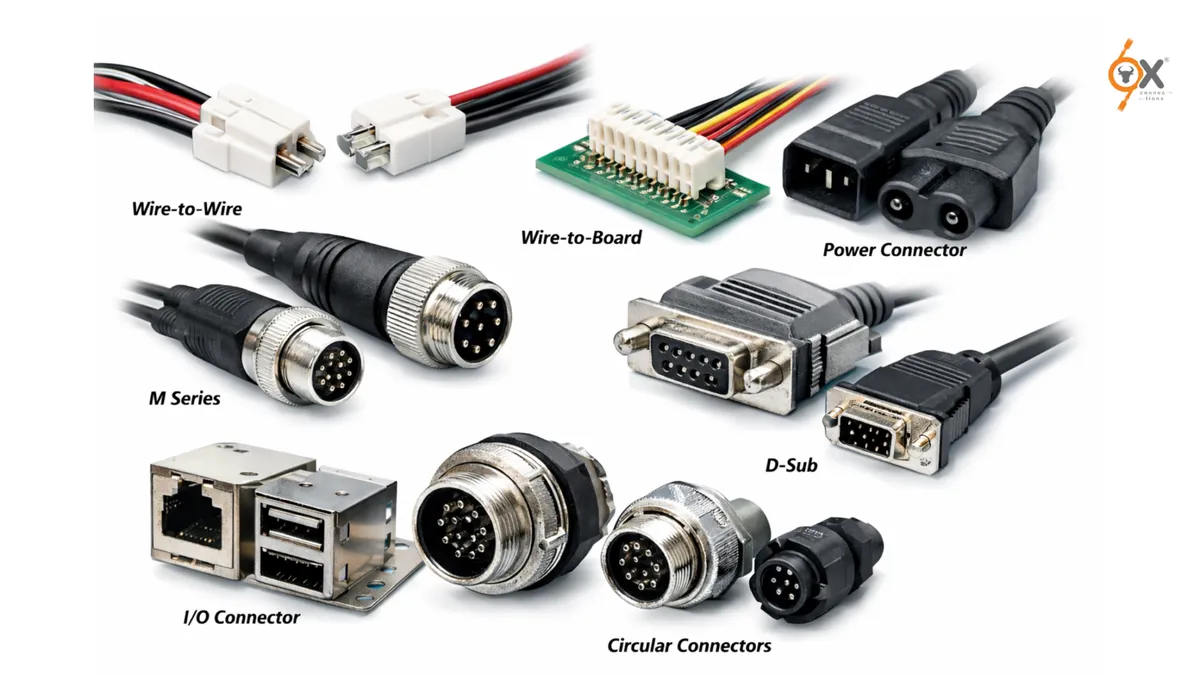
In an era where electronic devices and electrical systems power nearly every aspect of modern life, understanding electrical connectors is essential – whether you are an engineer, technician, student, or someone simply curious about how electrical systems work. These seemingly small components play a big role in connecting circuits, transmitting power and signals, and enabling reliable functionality across a wide range of applications.
In this comprehensive guide, we will explore what electrical connectors are, why they are important, the types of electrical connectors available today, and how these connectors are used in real-world systems. We will also take a closer look at industrial connector solutions from OX Connections – one of India’s leading suppliers of high-quality connectors.
What Are Electrical Connectors?
At its core, an electrical connector is an electromechanical device that joins two or more electrical circuits, allowing electricity to flow between them. Connectors make it possible to link wires, cables, and electronic hardware in a secure and often detachable way, enabling easy installation, maintenance, and replacement without the need for permanent joints like soldering.
A typical electrical connector consists of:
- Contacts (metal parts that conduct electricity)
- Insulation (which prevents unwanted contact between conductors)
- Housing or shell (which provides mechanical support and environmental protection)
Unlike hard-wired connections, connectors allow flexibility, customization, and scalability in electrical systems – which is why they are ubiquitous in everything from consumer gadgets to industrial machinery.
Why Are Electrical Connectors Important?
Electrical connectors are critical because they:
- Maintain electrical continuity between components
- Provide secure mechanical support
- Enable easy assembly and servicing of systems
- Reduce the risk of electrical faults
- Ensure efficient power and signal transmission
In both low-voltage consumer electronics and high-demand industrial equipment, connectors are essential for reliable electrical performance.
Categories of Types of Electrical Connectors
Electrical connectors come in many shapes, sizes, and functions — each engineered to serve specific requirements. Below, we explore the most widely used categories, drawing examples from industry offerings such as those available at OX Connections.
1. Wire-to-Board Connectors
Wire-to-board connectors are designed to link discrete wires to printed circuit boards (PCBs). They are common in applications where signals or power must be routed from a cable directly into an electronic board without soldering.
These connectors are widely used in:
- Automotive electronics
- Industrial automation
- Consumer appliances
- LED lighting systems
The compact design and secure mating features make them ideal for high-density applications and environments where secure contact and long-term durability are essential.
2. Wire-to-Wire Connectors
As the name implies, wire-to-wire connectors join two or more wires directly. These connectors are essential in systems that require modular wiring assemblies, especially where quick disconnection and ease of maintenance are priorities.
Common uses include:
- Lighting equipment
- EV wiring systems
- Home appliances
- Industrial harness assemblies
Durability and reliability make them particularly valuable in environments prone to vibrations or thermal variations.
3. Circular Connectors
Circular connectors are among the most rugged and versatile types of connectors used today. Their cylindrical design, secure locking mechanisms, and environmental resistance make them excellent for heavy-duty and industrial applications.
Typical applications:
- Robotics and automation
- Factory systems and sensors
- Power distribution
- Military and outdoor equipment
These connectors are designed to withstand moisture, dust, and vibration making them ideal where reliability is crucial.
4. D-Sub Connectors
D-Sub connectors are a classic type of multi-pin interface widely used for signal transmission, especially in communication and instrumentation systems.
Key features:
- Multiple pin configurations (from 9 to over 100 pins)
- Strong mechanical retention
- Reliable performance under vibration
Applications include legacy computing systems, industrial automation, medical devices, and control systems.
5. Power Connectors
Designed specifically for power applications, these connectors handle higher current levels and are built for safety, efficiency, and durability. They are integral to systems that demand robust power delivery.
Common use-cases:
- Electric vehicles (EVs) and drones
- Solar energy setups
- Battery management systems
- Industrial power supplies
These connectors use high-conductivity materials and secure housings to reduce energy loss and ensure safe power transfer.
6. Ethernet & USB Connectors
Data connectivity has become as important as power. Ethernet and USB connectors enable digital communication and data transfer in networking and embedded systems.
These connectors are used for:
- Networking infrastructure
- Industrial control systems
- Consumer electronics
- Data communication interfaces
They are engineered for signal integrity, high-speed data transmission, and durability even under frequent connect/disconnect cycles.
7. IDC & Flat Cable Connectors
Insulation Displacement Contact (IDC) connectors allow for fast, tool-free connections with flat cables, which makes them ideal for applications requiring organized, space-efficient wiring.
Their key benefits include:
- Ease of assembly
- High signal integrity
- Compact form factor
These connectors are widely used in control panels, telecom equipment, and embedded systems.
8. Waterproof and Specialized Connectors
In outdoor or harsh environments, waterproof connectors provide added protection against moisture, dust, and weather conditions. These connectors are especially valuable for:
- Solar installations
- Outdoor lighting
- Marine systems
- EV and sensor networks
Their sealed housings and rugged designs deliver reliable performance even in extreme conditions.
Key Considerations When Choosing Connectors
Choosing the right connector involves evaluating:
- Electrical requirements (voltage, current, frequency)
- Environmental conditions (moisture, vibration, temperature)
- Physical constraints (size and space limitations)
- Ease of installation and maintenance
- Compliance with industry standards
Matching these factors with the connector’s rated performance ensures reliability and longevity. High-quality connectors reduce downtime and maintenance costs in the long run.
Industrial Connector Solutions and Applications
Beyond basic categories, industrial systems often require connectors that can handle:
- High currents and voltages
- Harsh environmental conditions
- Frequent mating cycles
- Complex signal and power requirements
Industrial connectors excel in transmission systems, factory automation, robotics, transportation networks, and critical infrastructure – making them indispensable in modern industrial operations.
Spotlight: OX Connections – Industrial Connector Solutions
OX Connections is one of India’s leading suppliers of industrial connector solutions with an extensive portfolio of over 5,000 connector products crafted for power, signal, and data applications.
With products that include:
- Wire-to-board and wire-to-wire connectors
- Circular and D-Sub connectors
- Power, Ethernet, and USB connectors
- IDC & flat cable connectors
- Waterproof and aeronautical connectors
OX Connections serves more than 20 industries – from automation and control systems to OEM manufacturing and telecom infrastructure – with products that meet global quality standards.
Their in-house technical support, proactive sourcing, and quick dispatch make them a reliable partner for projects both large and small. By combining broad inventory with industry expertise, OX Connections helps customers find the right connector for every application.
Conclusion
From simple household devices to complex industrial machines, electrical connectors are fundamental components that ensure secure, efficient, and reliable electrical connections. Whether you need a general-purpose connector or a specialized industrial solution, understanding the types of electrical connectors and their applications helps you make informed choices for design, maintenance, and optimization.
When it comes to dependable industrial connector solutions, OX Connections offers a wide range of quality products backed by expertise – making them a go-to partner for manufacturers, engineers, and system integrators across India and beyond.