
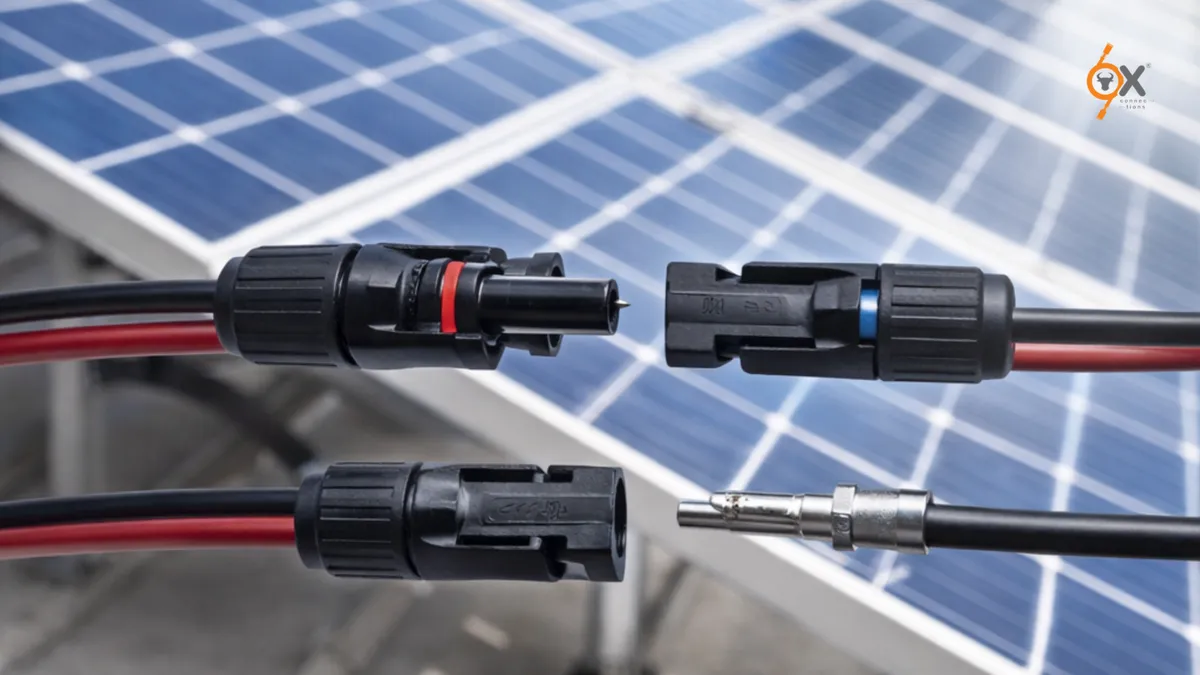
When people talk about solar installations, the conversation usually revolves around panels, inverters, and energy output. But the reliability of a solar system often depends on smaller components that rarely get attention. One such component is the connector that links the entire system together. High-Quality MC4 connectors for solar panels play a crucial role in ensuring that electricity generated by the panels travels safely and efficiently through the system.
At first glance, connectors may seem like a minor accessory. In reality, they are responsible for maintaining secure electrical connections between solar modules, cables, and other equipment. If connectors fail or degrade, the entire solar system can suffer from power loss, overheating, or even safety risks. That’s why understanding the role of solar panel connectors and ensuring proper MC4 connector installation is essential for anyone involved in solar energy.
The Role of Connectors in Solar Systems
Solar panels generate electricity in the form of direct current (DC). This electricity must travel through cables and connectors before reaching the inverter, where it is converted into usable power. Connectors act as the bridge between panels and cables, making sure the current flows smoothly without interruption.
Quality solar panel connectors are designed to create a stable electrical pathway. They protect the connection from environmental factors like dust, moisture, and extreme temperatures while maintaining consistent conductivity. In large solar arrays where dozens or even hundreds of panels are connected, reliable connectors ensure that every module contributes efficiently to the system’s overall output.
Without dependable connectors, even a well-designed solar setup can experience performance issues.
What Makes MC4 Connectors the Industry Standard?
Among the different types of solar panel connectors, MC4 connectors have become the industry standard for photovoltaic systems. The name MC4 comes from “Multi-Contact” and refers to the 4 mm diameter contact pin used inside the connector.
What makes Quality MC4 connectors for solar panels so widely adopted is their balance of safety, durability, and ease of use. These connectors are specifically designed for outdoor electrical systems and include features that make them ideal for solar installations.
Secure Locking Mechanism
MC4 connectors use a snap-in locking system that prevents accidental disconnection. Once connected, the connectors remain firmly in place and can only be separated using a dedicated unlocking tool. This is particularly useful in rooftop installations where vibrations, wind, or cable movement could otherwise loosen connections.
Weatherproof Design
Solar systems operate outdoors for decades, often exposed to rain, sunlight, humidity, and temperature changes. High-Quality MC4 connectors for solar panels are built with weather-resistant materials and tight sealing mechanisms that keep moisture and dust away from the electrical contacts.
Reliable Electrical Performance
The internal metal contacts are engineered to maintain consistent conductivity. This ensures minimal resistance and prevents overheating — two factors that are critical for long-term system reliability.
Why Connector Quality Should Never Be Overlooked
When installers or system owners try to reduce costs, connectors are sometimes overlooked. However, using low-quality or incompatible connectors can lead to serious problems.
Energy Loss
Poor connectors can create resistance in the electrical pathway. Even a small increase in resistance can reduce system efficiency, causing the solar array to produce less energy than expected.
Overheating Risks
Loose or poorly crimped connectors can generate heat as electricity flows through them. Over time, this heat buildup may damage cables or create potential fire hazards.
Reduced System Lifespan
Solar panels are designed to last 25 years or more. If the connectors degrade earlier, they can compromise the system long before the panels reach the end of their lifespan.
This is why choosing reliable solar panel connectors and ensuring proper MC4 connector installation is essential from the start.
The Importance of Proper MC4 Connector Installation
Even the best connectors can fail if they are not installed correctly. Proper MC4 connector installation ensures that the electrical contacts are secure and capable of handling the system’s voltage and current.
Here are some practical installation considerations installers follow.
Use the Correct Crimping Tool
MC4 connectors require a specialized crimping tool designed for solar cables. This tool ensures the metal contact pin is tightly attached to the cable conductor. Improper crimping can create loose connections that lead to overheating.
Check Cable Compatibility
Solar cables come in different thicknesses, and connectors must match the cable size. Ensuring compatibility during MC4 connector installation helps maintain proper electrical contact and prevents mechanical strain.
Verify Polarity
Solar cables carry positive and negative current. During installation, it’s important to verify polarity before connecting panels. Incorrect polarity can damage system components and disrupt the flow of electricity.
Ensure Full Locking
One of the advantages of MC4 connectors for solar panels is the locking mechanism. Installers should confirm that connectors are fully locked with a clear click, ensuring the connection remains secure.
Weather Resistance and Long-Term Reliability
Solar installations often operate in challenging environments – rooftops exposed to intense sunlight, open fields with high humidity, or coastal areas with salt in the air. Quality solar panel connectors are designed to withstand these conditions.
Their durable outer insulation protects the internal metal contacts from corrosion and environmental damage. UV-resistant materials also prevent degradation caused by prolonged sun exposure. These features allow connectors to perform reliably for years without requiring constant maintenance.
In systems where dozens of panels are connected together, consistent connector performance becomes even more important.
Avoiding Common Connector Mistakes
Even experienced installers sometimes make small mistakes when dealing with connectors. Being aware of these common issues can help prevent long-term system problems.
Mixing different connector brands
Not all connectors are designed to work together. Mixing incompatible connectors can lead to loose connections or electrical faults.
Skipping inspection during installation
Every connection should be checked to ensure proper locking and polarity.
Using improper tools
Standard pliers or manual adjustments can damage connectors. Dedicated tools ensure precise MC4 connector installation.
Ignoring environmental protection
Even though Quality MC4 connectors for solar panels are weatherproof, cables and connectors should still be routed carefully to minimize stress and exposure.
The Bigger Picture: Reliability of the Entire Solar System
Solar systems are built with the expectation of long-term reliability and stable energy production. While panels and inverters get most of the attention, the connectors that link them together quietly ensure everything works smoothly.
High-quality solar panel connectors maintain electrical stability across the system. They prevent power interruptions, reduce maintenance requirements, and contribute to the overall safety of the installation.
For installers, investing in good connectors also means fewer service calls and greater confidence in the system’s performance over time.
Conclusion
In solar installations, every component plays a role in delivering clean and reliable energy. While they may seem small, MC4 connectors for solar panels are fundamental to maintaining safe and efficient electrical connections across the system.
Choosing reliable solar panel connectors and ensuring careful MC4 connector installation can prevent energy losses, reduce safety risks, and extend the lifespan of the entire solar setup. For both homeowners and professional installers, paying attention to connector quality is a simple step that can make a significant difference in the long-term success of a solar installation.
FAQs
1. Why are MC4 connectors commonly used in solar systems?
MC4 connectors for solar panels are widely used because they offer secure locking, weatherproof protection, and reliable electrical conductivity, making them ideal for outdoor solar installations.
2. Can different solar panel connectors be used together?
It is generally not recommended to mix different solar panel connectors, as compatibility issues may result in loose connections or electrical faults.
3. Is special equipment required for MC4 connector installation?
Yes. Proper MC4 connector installation requires a dedicated crimping tool designed for solar cables to ensure secure and safe electrical connections.