
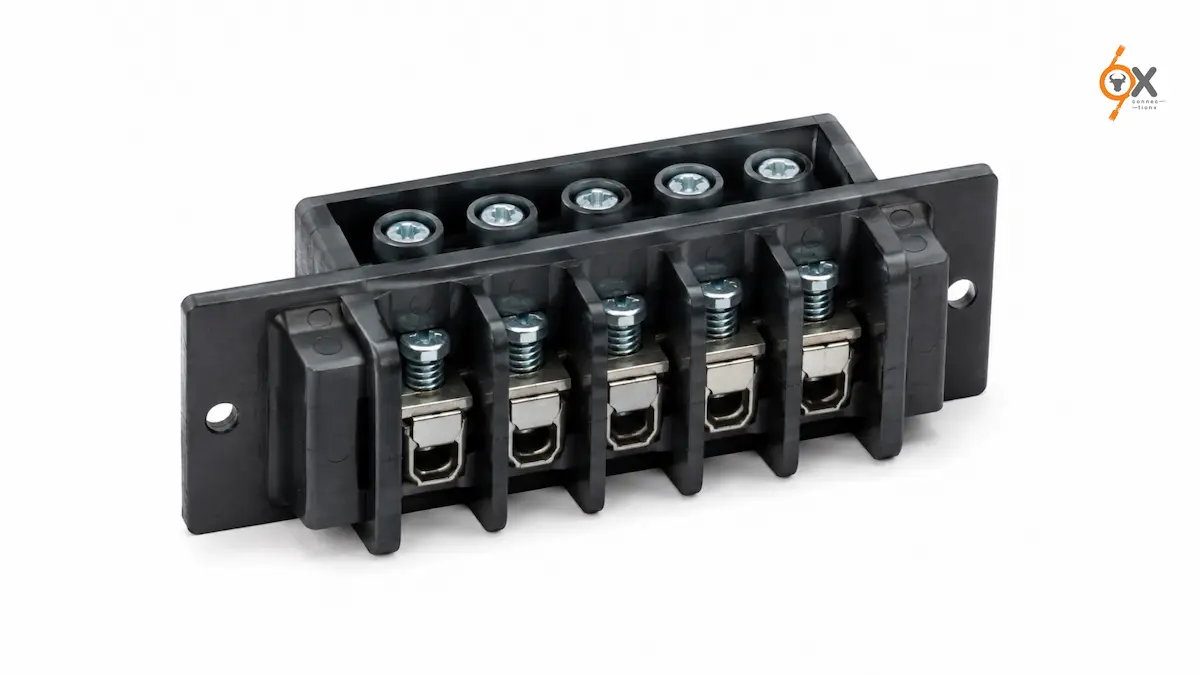
If you’re considering an equivalent to Degson Through-Wall Terminal Blocks, understanding the key technical considerations before making a selection is essential.
Imagine you’ve finalised the design of an electrical enclosure, production is ready to begin, and then you discover that your preferred terminal block has an extended lead time. For procurement teams and design engineers, this is a familiar challenge. Delays in sourcing a single component can slow down an entire project, impacting production schedules and delivery commitments.
This is one of the main reasons manufacturers today look for a reliable Through-Wall Terminal Blocks Equivalent. The objective isn’t simply to find another product that looks similar – it’s about identifying a technically compatible solution that supports the same application while maintaining reliability, safety, and ease of installation.
Across India’s manufacturing hubs, including Mumbai, Pune, Bengaluru, Chennai, and Hyderabad, OEMs and panel builders are increasingly adopting multi-source procurement strategies. By qualifying equivalent components from trusted manufacturers, businesses can reduce supply chain risks while maintaining design consistency.
What Are Through-Wall Terminal Blocks?
Unlike conventional terminal blocks that are mounted entirely inside an electrical panel, Through-Wall Terminal Blocks are specifically designed to create secure electrical connections through the wall of an enclosure or panel.
In simple terms, they provide a safe and organised way to transfer electrical connections from the inside of an enclosure to the outside without compromising accessibility. This makes them particularly useful in applications where equipment needs external wiring while keeping internal electrical components protected.
Instead of routing cables through improvised openings or additional connectors, through-wall terminal blocks create a structured connection point that simplifies installation and future maintenance.
Their design also helps improve cable organisation, making inspection and troubleshooting much easier throughout the equipment’s operating life.
Why Are Engineers Looking for Through-Wall Terminal Blocks Equivalent Solutions?
The decision to select an equivalent is rarely about replacing quality. More often, it’s driven by practical business requirements.
One of the biggest reasons is supply chain flexibility. Relying on a single manufacturer can expose businesses to procurement delays, especially when projects have strict delivery timelines.
Lead time is another important consideration. Waiting several weeks for a specialised connector can delay panel assembly, factory acceptance testing, and final equipment delivery. Evaluating a suitable Through-Wall Terminal Blocks Equivalent allows manufacturers to keep production moving without unnecessary interruptions.
Many OEMs also follow approved vendor strategies, qualifying technically compatible products from multiple manufacturers. This approach reduces procurement risks while providing greater flexibility during sourcing.
Cost optimisation can also influence purchasing decisions. When an equivalent meets the required electrical and mechanical specifications, it may help procurement teams manage project costs more effectively without compromising reliability.
Where Are Through-Wall Terminal Blocks Commonly Used?
Although relatively compact, Through-Wall Terminal Blocks perform an important role in many industrial applications where electrical connections need to pass safely through an enclosure.
You’ll commonly find them in:
- Industrial automation systems
- Electrical control panels
- Factory machinery
- Process control equipment
- Renewable energy systems
- Power distribution cabinets
- HVAC control systems
- Instrumentation panels
- Test and measurement equipment
- Machine building applications
Their ability to create organised and accessible wiring makes them particularly valuable wherever equipment requires both internal protection and external electrical connections.
Choosing the Right Through-Wall Terminal Blocks Equivalent
Selecting an equivalent involves much more than comparing dimensions. A reliable replacement should be evaluated from both electrical and mechanical perspectives.
Electrical Compatibility Comes First
The first step is always confirming that the replacement is suitable for the electrical requirements of the application.
Current capacity, voltage capability, conductor compatibility, and insulation characteristics should all be reviewed against the original design requirements. Rather than assuming two products are interchangeable because they appear similar, engineers typically compare technical datasheets before approving an equivalent.
This careful evaluation helps ensure reliable long-term performance while reducing the possibility of unexpected installation issues.
Consider the Mounting Arrangement
One of the defining characteristics of Through-Wall Terminal Blocks is their ability to mount securely through an enclosure or panel.
For this reason, the mounting dimensions and installation method should always be checked carefully before selecting an equivalent. Even small differences in mounting geometry can affect how the component fits within the enclosure.
Verifying compatibility during the design stage helps avoid unnecessary panel modifications later.
Wire Compatibility Matters More Than Many Realise
A secure electrical connection depends not only on the terminal block itself but also on the conductors it supports.
Different products may accommodate different wire sizes or conductor types. Ensuring compatibility with the existing wiring helps simplify installation while maintaining dependable electrical performance throughout the equipment’s service life.
Build Quality and Material Selection
Industrial electrical equipment often operates in demanding environments where components are exposed to continuous operation, vibration, dust, and varying temperatures.
The quality of the insulating housing, terminal hardware, and overall construction contributes significantly to long-term reliability. Choosing well-manufactured connectivity components helps reduce maintenance requirements while supporting dependable operation over time.
Why Organised Electrical Connections Make a Difference
Electrical panels aren’t just expected to work – they’re expected to remain serviceable for years.
One of the often-overlooked advantages of Through-Wall Terminal Blocks is the way they improve wiring organisation. Instead of creating cable congestion around enclosure openings, they establish clearly defined connection points that make future inspection and servicing much simpler.
For maintenance teams, this translates into quicker fault identification, easier cable replacement, and reduced downtime during routine servicing or system upgrades.
It also contributes to cleaner panel layouts, something that’s particularly valuable in industrial environments where multiple technicians may work on the same equipment over its lifetime.
Benefits of Using Through-Wall Terminal Blocks
One of the biggest reasons Through-Wall Terminal Blocks continue to be widely used is that they solve practical challenges faced by panel builders and equipment manufacturers. While they may seem like a small component, they contribute significantly to the overall reliability and serviceability of an electrical system.
Here are some of the key advantages they offer:
Improved Wiring Organisation
A well-organised control panel isn’t just visually appealing – it also makes installation, inspection, and future maintenance much easier. Through-Wall Terminal Blocks provide clearly defined connection points, helping engineers create structured wiring layouts instead of routing cables through multiple openings.
This organised approach can reduce wiring errors and simplify future modifications.
Simplified Installation
Because these terminal blocks create a dedicated interface between the inside and outside of an enclosure, installers can complete wiring in a more structured manner.
Rather than improvising cable entry points or adding unnecessary connectors, the wiring process becomes cleaner and easier to manage.
Easier Maintenance and Troubleshooting
Maintenance is inevitable in any industrial environment. Components wear out, equipment is upgraded, and systems evolve over time.
One of the biggest advantages of using Through-Wall Terminal Blocks is that individual connections remain accessible. Technicians can inspect, disconnect, or replace conductors without disturbing the surrounding wiring, reducing maintenance time and minimising production interruptions.
Reliable Electrical Connections
Reliable electrical systems depend on stable conductor termination.
When correctly selected and installed, terminal blocks help maintain secure electrical connections throughout normal operating conditions, supporting consistent equipment performance over the long term.
Supports Equipment Expansion
Manufacturing facilities rarely remain static. As production grows, machines are upgraded and additional circuits are often required.
Well-planned terminal block layouts make future system expansion more straightforward because connection points remain organised and easily accessible.
Common Mistakes to Avoid When Selecting a Through-Wall Terminal Blocks Equivalent
Choosing an equivalent connector requires careful evaluation. Even experienced procurement teams can overlook important details if they focus only on availability or price.
One common mistake is assuming that products with similar dimensions offer identical performance. In reality, factors such as mounting configuration, conductor compatibility, electrical ratings, and enclosure interface should all be reviewed before approving an equivalent.
Another oversight is selecting a component without considering future maintenance. A connector that is difficult to access once installed may increase servicing time and make routine inspections more challenging.
Environmental conditions should also be considered. Dust, vibration, humidity, and temperature variations can all influence long-term performance, making it important to choose products suitable for the intended application.
Finally, procurement decisions shouldn’t be based solely on initial cost. A dependable connector with consistent availability and reliable technical support often provides greater value over the lifetime of industrial equipment.
Why Reliable Distribution Matters
As India’s manufacturing sector continues to expand, procurement has become about much more than simply purchasing components. Manufacturers now need dependable supply chains that support continuous production without unnecessary delays.
Across the Terminal Blocks India market, businesses increasingly prefer working with distributors that offer consistent inventory, technical assistance, and access to a broad range of connector solutions.
For OEMs and panel builders, having a knowledgeable distribution partner can reduce sourcing challenges, simplify product selection, and improve procurement efficiency when projects are operating under tight timelines.
This is particularly important for companies that regularly evaluate equivalent products to improve sourcing flexibility while maintaining engineering standards.
Conclusion
Choosing the right Through-Wall Terminal Blocks Equivalent is about balancing technical compatibility with practical procurement requirements. While availability and lead times often influence purchasing decisions, factors such as electrical suitability, mounting configuration, conductor compatibility, and overall build quality should always guide the final selection.
As industrial automation continues to evolve and electrical systems become increasingly sophisticated, organised and dependable connectivity solutions remain essential. Well-selected Through-Wall Terminal Blocks contribute to cleaner panel layouts, easier maintenance, and reliable long-term performance – qualities that every manufacturer values.
Whether you’re designing new equipment or maintaining existing installations, taking the time to evaluate the right equivalent can help reduce sourcing risks while supporting efficient production and dependable operation.
OXConnections is a trusted distributor of electronic connectors, offering a comprehensive portfolio of connectivity solutions for industrial automation, renewable energy, automotive, medical equipment, consumer electronics, and other industrial applications. With ready inventory, products that meet applicable industry standards, and dedicated technical support, OX Connections helps OEMs, panel builders, and manufacturers across India source reliable connector solutions with reduced lead times and consistent availability.