
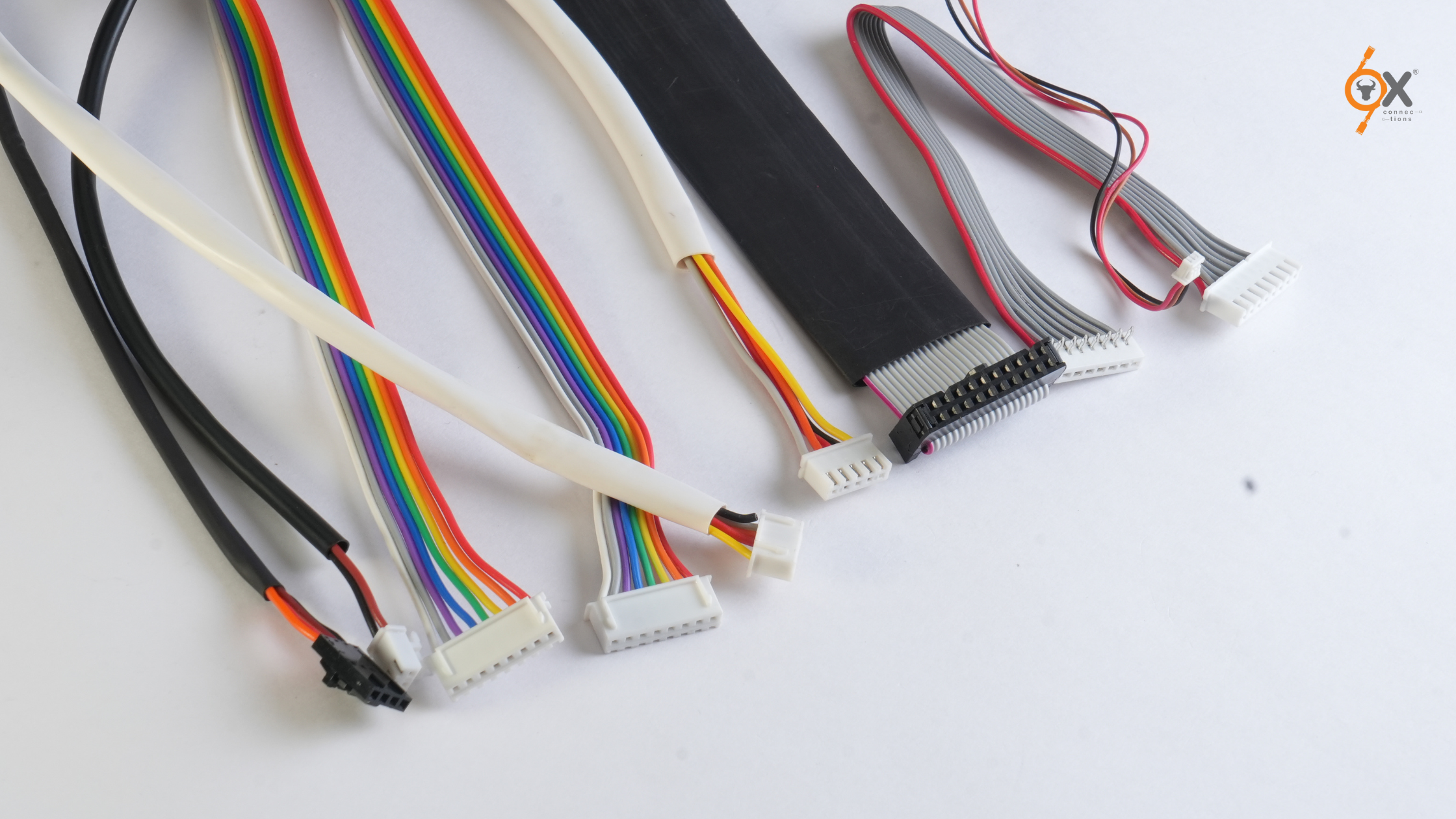
This industry guide explores the complete lifecycle of a wire harness, covering wire harness design, development, and wire harness manufacturing. Structured around real-world industry workflows, it highlights why a well-integrated approach is essential for performance, safety, and scalability.
As products across industries become more advanced and electrically complex, the importance of a reliable wire harness has grown significantly. From automotive systems and industrial machinery to aerospace platforms and electronic devices, wire harnesses act as the backbone of electrical connectivity, ensuring stable power distribution and signal transmission.
The Evolving Role of the Wire Harness
A wire harness is far more than a bundle of wires. It is a structured electrical assembly designed to organize, protect, and route electrical circuits efficiently within a system. Modern harnesses must support higher voltages, faster data speeds, and tighter space constraints – all while meeting strict quality and safety standards.
As systems grow more compact and multifunctional, the complexity of wire harness design increases. This makes early planning and precision engineering critical to overall system success.
Challenges in Traditional Wire Harness Development
In many legacy workflows, wire harness design and wire harness manufacturing operate in isolation. This disconnect often leads to:
- Incomplete or inconsistent design data
- Late-stage design changes
- Increased manual rework during production
- Higher costs and longer lead times
When manufacturing constraints are not considered early, even a well-engineered wire harness can become difficult to produce at scale.
Why Early Wire Harness Design Decisions Matter
Strong wire harness design begins with a clear understanding of electrical, mechanical, and environmental requirements. Early design decisions directly impact manufacturability, installation efficiency, and long-term reliability.
Key considerations include:
- Electrical load requirements and signal integrity
- Connector and terminal selection
- Routing paths and bend radii
- Environmental exposure such as heat and vibration
Designing with production in mind helps reduce errors and ensures a smoother transition into wire harness manufacturing.
Maintaining Continuity from Design to Manufacturing
One of the most critical success factors in modern harness development is maintaining continuity between engineering and production. A seamless data flow ensures that the wire harness designed on screen is exactly what is built on the shop floor.
This continuity:
- Minimizes interpretation errors
- Improves production consistency
- Enables faster scaling
Integrated workflows help align wire harness design outputs with manufacturing-ready documentation, reducing time-to-market and cost overruns.
From Digital Design to Physical Development
Once the design is finalized, development focuses on transforming design intent into a manufacturable solution. Prototypes are created to validate:
- Wire lengths and routing accuracy
- Connector placement and accessibility
- Ease of installation and servicing
This development stage ensures the wire harness performs reliably under real operating conditions before moving into full-scale wire harness manufacturing.
Core Stages of Wire Harness Manufacturing
Precision and repeatability define successful wire harness manufacturing. Each stage plays a critical role in product quality.
Wire Preparation
Wires are cut and stripped to exact specifications using automated equipment to ensure consistency.
Terminal Crimping and Connector Assembly
Secure crimping ensures low electrical resistance and mechanical durability – essential for long-term wire harness reliability.
Routing and Bundling
Wires are routed and bundled using protective materials to prevent abrasion, vibration damage, and electrical interference.
Board Assembly
Harness boards guide assembly teams to maintain uniformity and accuracy across production batches.
Together, these steps ensure the wire harness manufacturing process delivers repeatable, high-quality results.
Testing and Quality Control
Every wire harness must undergo strict testing before deployment. Quality assurance typically includes:
- Electrical continuity testing
- Short-circuit and insulation resistance checks
- Visual and dimensional inspection
Robust testing ensures that each harness meets design specifications and performs reliably throughout its lifecycle.
Off-the-Shelf vs Custom Wire Harness Solutions
Standard, off-the-shelf harnesses may suit basic applications, but they often introduce compromises in routing, fit, and performance.
Custom wire harness solutions offer:
- Application-specific routing and connector selection
- Reduced installation time
- Improved system reliability
- Better long-term cost efficiency
By aligning wire harness design directly with application requirements, manufacturers can eliminate unnecessary complexity and improve overall system performance.
Industries Driving Demand for Advanced Wire Harnesses
The demand for precision-engineered wire harness solutions continues to rise across sectors:
- Automotive and electric vehicles
- Industrial automation and machinery
- Aerospace and defense systems
- Medical equipment
- Consumer electronics
Each industry presents unique challenges, reinforcing the need for adaptable wire harness design and scalable wire harness manufacturing capabilities.
Why Choosing the Right Manufacturing Partner Matters
A wire harness is only as reliable as the expertise behind it. Successful outcomes depend on deep technical knowledge, process discipline, and manufacturing experience.
At Oxconnections.com, we specialize in delivering robust wire harness solutions through a tightly integrated approach to wire harness design and wire harness manufacturing. Our focus is on transforming complex electrical requirements into reliable, production-ready assemblies that meet industry standards and real-world demands.