
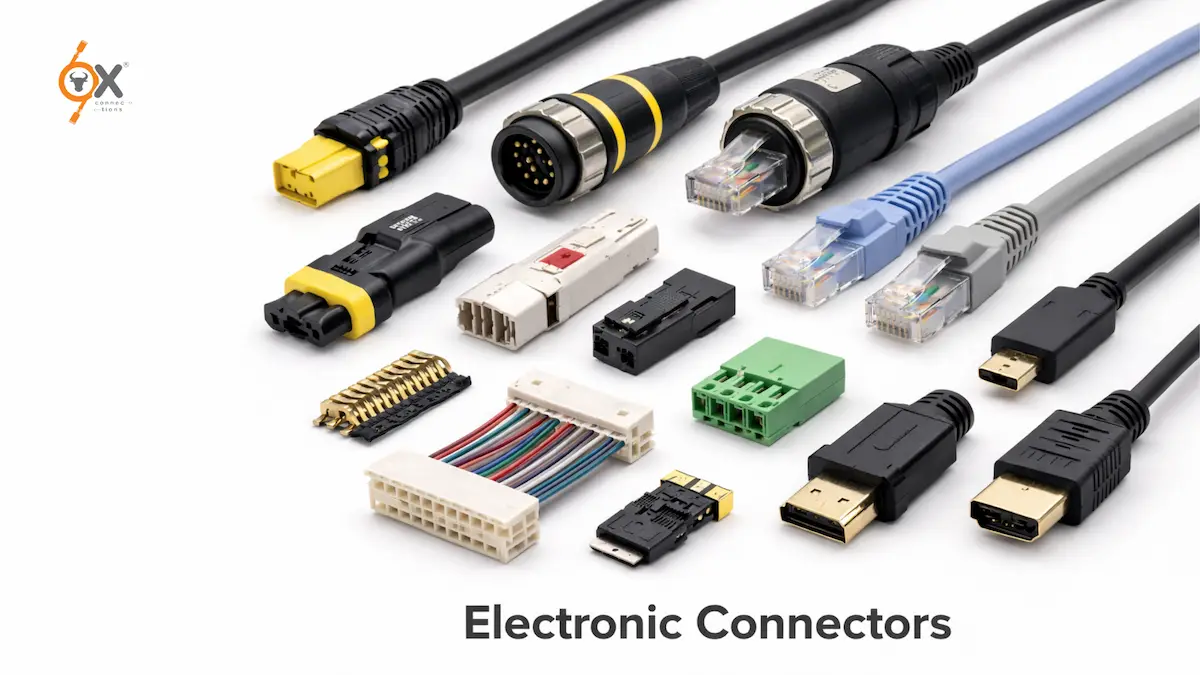
Behind every functioning electronic system whether it’s a home appliance, industrial machine, automotive system, or renewable energy setup – there is one small yet extremely important component making those connections possible: the Electronic Connector.
From smartphones and laptops to medical devices and industrial automation systems, connectors play a crucial role in ensuring smooth electrical and signal transmission. Without reliable connectors, even the most advanced electronic systems would fail to function properly.
As industries continue to evolve with smarter technologies and faster communication systems, the demand for high-quality and durable Industrial Electronic Connectors is growing rapidly across sectors.
In this guide, we’ll explain everything you need to know about Electronic Connectors, including their types, applications, benefits, and why they are essential in modern electronics and industrial systems.
What is an Electronic Connector?
An Electronic Connector is a device used to join electrical circuits together to transmit power, signals, or data between different electronic components.
In simple terms, connectors create a secure pathway that allows electronic systems to communicate and function efficiently.
These connectors can either:
- Connect two wires
- Connect cables to devices
- Connect circuit boards internally
- Enable detachable electrical connections
Electronic connectors are designed to ensure:
- Stable electrical flow
- Safe connectivity
- Reliable signal transmission
- Easy maintenance and replacement
Today, connectors are used in almost every electronic product and industrial system.
Why are Electronic Connectors Important?
Modern electronic systems depend heavily on fast and uninterrupted communication. A poor-quality connector can lead to:
- Signal loss
- Power interruptions
- System failure
- Overheating
- Reduced performance
This is why industries focus on using reliable and certified connectors for critical applications.
High-quality connectors help improve:
- System reliability
- Safety
- Performance
- Maintenance efficiency
- Long-term durability
Companies like OXConnections provide dependable connectivity solutions designed for industrial, renewable energy, EV, medical, and appliance applications across India.
How Do Electronic Connectors Work?
Electronic connectors work by creating a conductive path between circuits or devices.
Most connectors consist of:
- Plug (male connector)
- Socket (female connector)
- Contact terminals
- Insulation housing
When connected, the conductive terminals inside the connector allow electrical current or data signals to pass securely between components.
Some connectors are permanent, while others are designed for quick connection and disconnection.
Types of Electronic Connectors
There are several Types of Electronic Connectors available depending on the application and industry requirements.
1. Wire-to-Wire Connectors
These connectors join two separate wires together.
Commonly used in:
- Automotive wiring
- Home appliances
- Industrial machinery
Benefits:
- Simple installation
- Secure electrical connection
- Easy maintenance
2. Wire-to-Board Connectors
These connectors connect wires directly to printed circuit boards (PCBs).
Used in:
- Consumer electronics
- Industrial equipment
- Medical devices
They are widely used because of their compact design and reliable signal transmission.
3. Board-to-Board Connectors
These connectors link one PCB to another PCB internally.
Applications include:
- Computers
- Networking equipment
- Communication devices
They help optimize internal electronic connections while saving space.
4. FRC & IDC Connectors
FRC (Flat Ribbon Cable) and IDC (Insulation Displacement Connectors) are commonly used for organized multi-wire connections.
Widely used in:
- Industrial systems
- Embedded electronics
- Automation equipment
OX Connections offers various IDC and FRC connector solutions designed for reliable industrial applications.
5. Circular Connectors
Circular connectors are designed for rugged environments.
Commonly found in:
- Aerospace
- Industrial automation
- Renewable energy systems
Benefits:
- Strong locking mechanism
- Dust resistance
- Vibration resistance
6. USB & Data Connectors
These connectors are used for data transfer and charging applications.
Examples include:
- USB connectors
- HDMI connectors
- Ethernet connectors
They are commonly used in computers, networking systems, and smart devices.
Applications of Electronic Connectors
The use of Industrial Electronic Connectors continues to grow across multiple industries.
Consumer Electronics
Electronic connectors are used in:
- Smartphones
- TVs
- Laptops
- Gaming systems
- Home appliances
They help enable power supply and communication between components.
Industrial Automation
Factories and industrial systems rely on connectors for:
- Machine communication
- Automation systems
- Control panels
- Robotics
Reliable connectors are critical in maintaining stable industrial operations.
Automotive Industry
Modern vehicles contain hundreds of connectors supporting:
- Sensors
- Lighting systems
- Battery systems
- Safety features
- EV technology
As electric vehicles continue to grow, connector demand is increasing significantly.
Renewable Energy
Solar and renewable energy systems use connectors for:
- Power transmission
- Solar panel connectivity
- Battery systems
- Inverters
OX Connections supports renewable energy industries with dependable connector solutions designed for modern applications.
Medical Equipment
Medical devices require precise and secure connectivity.
Connectors are used in:
- Monitoring equipment
- Diagnostic systems
- Imaging devices
- Portable medical electronics
Reliability and safety are extremely important in medical applications.
Benefits of Using High-Quality Electronic Connectors
Better Reliability
Good connectors reduce the risk of loose connections and system failures.
Improved Safety
Reliable insulation and proper connectivity help prevent electrical hazards.
Easy Maintenance
Detachable connectors simplify repairs and system upgrades.
Faster Data Transmission
Modern connectors support high-speed communication and signal transfer.
Long-Term Durability
Industrial-grade connectors are built to withstand:
- Heat
- Moisture
- Vibration
- Dust
- Harsh environments
How to Choose the Right Electronic Connector
Selecting the right connector depends on several factors:
Electrical Requirements
Consider:
- Voltage
- Current capacity
- Signal type
Environment
Industrial environments may require:
- Waterproof connectors
- Heat-resistant materials
- Shielded connectors
Connector Size
Compact electronics require smaller connectors, while industrial systems may need heavy-duty solutions.
Durability
Choose connectors that can handle frequent usage and harsh operating conditions.
Certification & Quality
Always use certified and tested connectors for better safety and reliability.
OX Connections offers certified connectivity solutions with dependable quality for OEMs and industries across India.
Future of Electronic Connectors
As industries move toward:
- Smart automation
- Electric vehicles
- Renewable energy
- IoT systems
- AI-powered technologies
The demand for advanced connector solutions will continue to rise.
Modern connectors are becoming:
- Smaller
- Faster
- More durable
- More efficient
This makes them a critical part of future electronic infrastructure.
Final Thoughts
Electronic systems are only as reliable as the connections behind them. Understanding what is an Electronic Connector helps businesses and manufacturers choose better solutions for efficient and long-lasting performance.
From consumer electronics and industrial automation to renewable energy and automotive systems, Electronic Connectors play a crucial role in enabling safe and stable communication between devices.
As technology continues to evolve, the need for high-quality Industrial Electronic Connectors will only continue to grow. Choosing reliable connector solutions ensures better performance, improved safety, and long-term system efficiency across industries.