
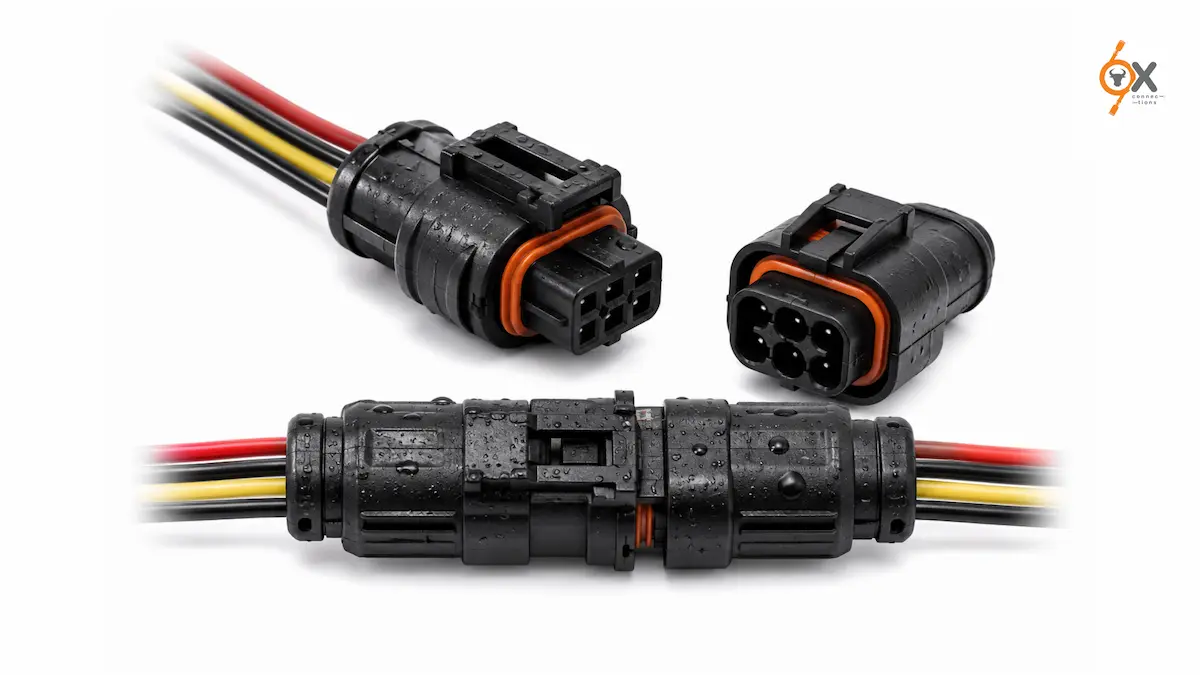
In this article, we’ll explore why waterproofing matters, the most effective methods for protecting electrical connections, and how businesses can choose the right waterproof wiring connectors for long-term reliability.
Could a Small Amount of Moisture Be Putting Your Entire Electrical System at Risk?
Electrical systems are only as reliable as the connections that hold them together. Whether it’s an automotive harness, an industrial control panel, renewable energy installation, or outdoor equipment, a single compromised connector can lead to equipment failure, costly downtime, and expensive repairs.
Moisture is one of the biggest threats to electrical connectivity. Water intrusion can corrode contacts, increase resistance, interrupt signal transmission, and even result in complete system failure. That’s why selecting and protecting waterproof wiring connectors has become a critical consideration for OEMs, system integrators, equipment manufacturers, and procurement teams.
Why Waterproofing Wiring Connectors Matters
Electrical connectors are often installed in environments where exposure to water, humidity, dust, chemicals, and temperature fluctuations is unavoidable.
Applications such as automotive systems, industrial automation, solar installations, marine equipment, telecommunications, and outdoor lighting operate in conditions where moisture can gradually degrade electrical performance.
Without adequate protection, moisture entering a connector can lead to:
- Corrosion of metal contacts
- Increased electrical resistance
- Voltage drops
- Signal interference
- Short circuits
- Equipment downtime
- Higher maintenance costs
For manufacturers and businesses, preventing these issues begins with selecting the right connector and ensuring it is adequately protected against environmental exposure.
Common Causes of Moisture-Related Connector Failure
Moisture doesn’t always enter a connector through direct water exposure. In many cases, failures occur because connectors are not designed or installed for the environment in which they operate.
Some of the most common causes include:
Poor Environmental Sealing
Connectors without proper sealing allow water, humidity, and contaminants to reach electrical contacts. Over time, this accelerates corrosion and reduces connection reliability.
Damaged Connector Housings
Cracked housings, worn seals, or damaged locking mechanisms create pathways for moisture to enter the connector assembly.
Even minor physical damage can compromise environmental protection.
Improper Installation
Incorrect assembly is another leading cause of connector failure.
Common installation issues include:
- Improper crimping
- Misaligned seals
- Loose cable entry points
- Incomplete terminal insertion
- Damaged gaskets during assembly
Even high-quality connectors can fail if installation best practices are not followed.
Exposure to Harsh Operating Conditions
Industrial machinery, agricultural equipment, commercial vehicles, renewable energy systems, and outdoor installations experience constant exposure to rain, mud, dust, chemicals, and temperature variations.
Without connectors designed specifically for these environments, reliability quickly declines.
Waterproof vs Water-Resistant Connectors: What’s the Difference?
The terms “waterproof” and “water-resistant” are often used interchangeably, but they describe different levels of protection.
Water-resistant connectors provide protection against occasional moisture or light splashes but are not intended for prolonged exposure to water.
Waterproof wiring connectors, on the other hand, are designed with sealing systems that help prevent water ingress even in demanding outdoor or industrial environments. They are typically used where equipment is regularly exposed to rain, washdowns, dust, or high humidity.
Understanding the environmental conditions of the application is essential when selecting the appropriate connector type.
Best Practices for Waterproofing Wiring Connectors
Protecting electrical connections requires more than simply applying sealant. A combination of proper connector selection, correct installation, and preventive maintenance delivers the best results.
1. Select Connectors Designed for the Application
The most effective waterproofing strategy begins by choosing connectors specifically engineered for harsh environments.
When evaluating waterproof electrical connectors, consider factors such as:
- Operating environment
- Temperature range
- Vibration levels
- Current and voltage requirements
- Exposure to chemicals or UV radiation
- Required ingress protection
Selecting connectors that match the application’s environmental demands significantly improves long-term performance.
2. Choose Connectors with Reliable Sealing Systems
High-quality sealing features help prevent moisture from reaching electrical contacts.
Depending on the application, connectors may incorporate:
- Rubber sealing rings
- Silicone gaskets
- Cable seals
- Rear wire seals
- Protective housing designs
Effective sealing not only blocks water ingress but also prevents dust and debris from affecting electrical performance.
3. Use Heat Shrink Tubing Where Appropriate
Heat shrink tubing provides an additional layer of environmental protection around wire terminations.
When properly installed, it helps:
- Seal exposed wiring
- Improve insulation
- Reduce strain on cable connections
- Protect against moisture ingress
This method is commonly used in automotive, marine, and industrial wiring applications.
4. Ensure Proper Crimping and Assembly
Connector performance depends heavily on installation quality.
Poor crimping creates gaps that allow moisture to penetrate the connection while increasing electrical resistance.
To ensure reliable assembly:
- Use manufacturer-recommended crimping tools.
- Verify proper wire insertion.
- Avoid damaging seals during installation.
- Confirm that locking mechanisms are fully engaged.
Following standard assembly procedures helps maximise connector reliability.
5. Prevent Mechanical Stress
Excessive bending, pulling, or vibration can weaken seals and damage connector housings over time.
Proper cable routing, strain relief, and secure mounting help maintain waterproof integrity throughout the connector’s service life.
6. Perform Routine Inspections
Even the most durable connectors benefit from regular maintenance.
Periodic inspections should check for:
- Cracked housings
- Worn seals
- Corrosion
- Loose terminals
- Moisture accumulation
- Physical damage
Early identification of wear helps prevent unexpected equipment failures.
How to Choose the Right Waterproof Electrical Connectors
Not every waterproof connector is suitable for every application. Selecting the right solution requires evaluating both electrical performance and environmental requirements.
When sourcing connectors, consider the following factors.
Environmental Conditions
Will the connector be exposed to:
- Rain?
- Continuous humidity?
- Dust?
- Saltwater?
- Industrial chemicals?
- High-pressure washdowns?
Understanding the operating environment helps determine the level of sealing required.
Electrical Requirements
Always verify:
- Voltage rating
- Current capacity
- Number of contacts
- Wire gauge compatibility
- Signal transmission requirements
A connector should meet both environmental and electrical specifications.
Material Quality
Connector durability depends on the quality of its materials.
Look for:
- Corrosion-resistant terminals
- High-performance engineering plastics
- Durable sealing materials
- Heat-resistant insulation
These features improve long-term performance while reducing maintenance needs.
Compliance with Industry Standards
For industrial and automotive applications, selecting connectors that comply with recognised quality and safety standards helps ensure consistent performance and manufacturing reliability.
Common Mistakes to Avoid
Even well-designed waterproof systems can fail due to avoidable mistakes.
Some of the most common include:
- Choosing connectors based only on appearance or size.
- Ignoring environmental exposure.
- Reusing damaged seals or connector housings.
- Using incorrect crimping tools.
- Overlooking routine inspections.
- Mixing incompatible connector systems.
- Selecting connectors with insufficient ingress protection.
Avoiding these issues helps extend equipment life while reducing maintenance costs.
Industries That Depend on Waterproof Connector Solutions
Reliable waterproof wire connectors are essential across numerous industries where electrical systems operate in demanding environments.
Some key applications include:
- Automotive and electric vehicles
- Industrial automation
- Renewable energy systems
- Solar installations
- Telecommunications infrastructure
- Marine equipment
- Construction machinery
- Agricultural equipment
- Outdoor lighting systems
- Medical equipment installed in controlled washdown environments
Across these industries, dependable electrical connectivity directly impacts equipment performance, safety, and operational efficiency.
Why Connector Quality Matters
In many electrical systems, connectors account for only a small portion of the overall project cost. However, connector failures can result in significant operational consequences, including production interruptions, increased maintenance, warranty claims, and unexpected downtime.
Investing in high-quality waterproof wiring connectors helps reduce these risks by providing stable electrical performance even in challenging operating conditions.
For OEMs and procurement teams, choosing reliable connector solutions is not simply about meeting specifications – it’s about improving long-term system reliability and reducing the total cost of ownership.
Conclusion
As electrical systems become more advanced and operate in increasingly demanding environments, protecting connections from moisture has never been more important. Water intrusion can compromise performance, accelerate corrosion, and lead to costly equipment failures that affect productivity and reliability.
Choosing the right waterproof wiring connectors, following proper installation practices, and conducting routine inspections are essential steps in maintaining dependable electrical systems. Equally important is selecting connectors that are designed to withstand the environmental, electrical, and mechanical demands of the intended application.
At OXConnections, we understand that reliable connectivity is the foundation of high-performing electrical systems. Our extensive portfolio of industrial and automotive connector solutions is designed to support demanding applications with consistent quality, dependable availability, and compliance with industry standards. Whether you’re sourcing connectors for new equipment or upgrading existing systems, OX Connections provides dependable connectivity solutions that help businesses build more reliable, long-lasting electrical infrastructure.