
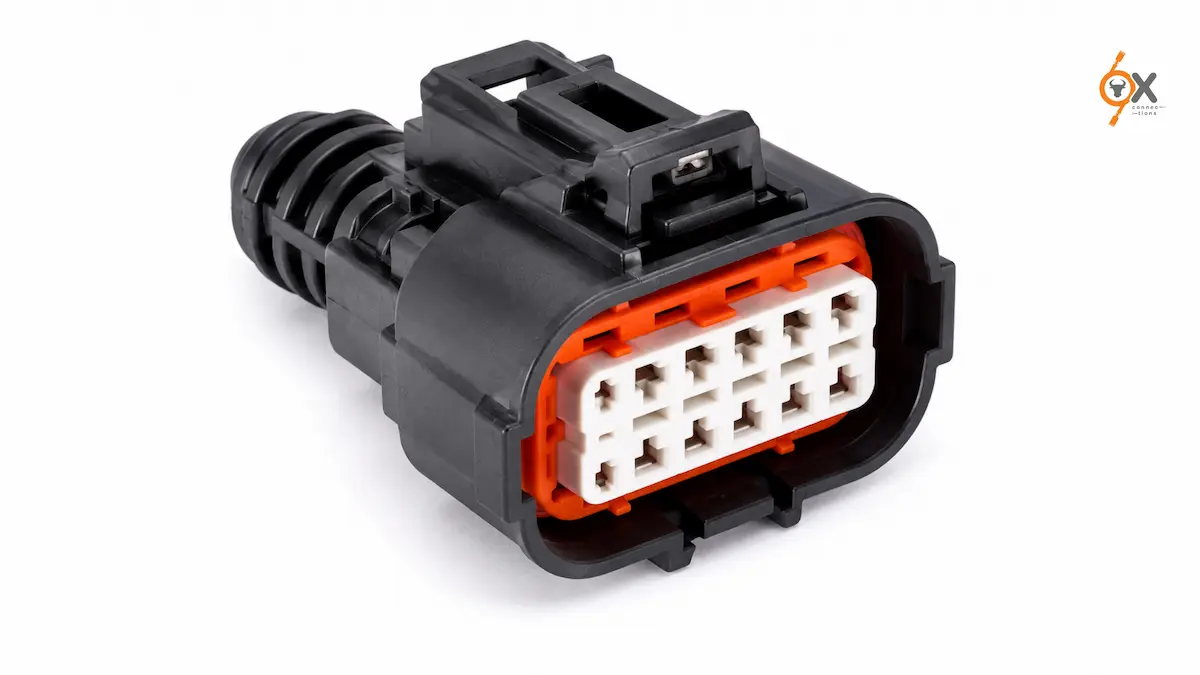
In modern vehicles, every electrical system – from engine control units (ECUs) and ADAS sensors to lighting, battery management systems, and infotainment – depends on dependable automotive connector. Yet, connectors are often overlooked until a failure disrupts operations, increases warranty claims, or leads to costly downtime.
For OEMs, automotive manufacturers, Tier 1 suppliers, and component integrators, understanding the causes of automotive connector failure is no longer just a maintenance concern – it’s a critical aspect of building reliable, high-performance vehicles. Equally important is knowing how to identify an automotive connector replacement that can withstand demanding operating conditions and deliver consistent performance over the long term.
In this article, we’ll explore the most common reasons automotive connectors fail, the factors engineers and procurement teams should consider before selecting replacements, and how making the right choice can improve product reliability while reducing lifecycle costs.
Why Automotive Connectors Matter More Than Ever
Today’s vehicles are more connected than ever before. A single passenger vehicle can contain hundreds – sometimes thousands – of electrical connections supporting everything from safety systems and powertrain controls to navigation, telematics, and entertainment.
As automotive technology continues to evolve with electric vehicles (EVs), hybrid platforms, autonomous driving features, and advanced diagnostics, the role of automotive connectors has become even more critical.
Unlike connectors used in controlled industrial environments, automotive connectors are expected to perform reliably while facing:
- Constant vibration
- Extreme temperature fluctuations
- Moisture and humidity
- Dust and road debris
- Exposure to oil, fuel, grease, and chemicals
- Continuous electrical loads
Even a minor connector issue can interrupt communication between critical systems, leading to unexpected failures, increased maintenance costs, and reduced vehicle reliability.
What Causes Automotive Connector Failure ?
Understanding why connectors fail is the first step toward preventing recurring issues. While failures may appear sudden, they are often the result of gradual wear, environmental stress, or incorrect component selection.
1. Environmental Exposure
Vehicles operate in some of the harshest environments imaginable. Rain, humidity, road salt, dust, mud, and chemicals continuously attack electrical connections.
Over time, moisture entering a connector can lead to corrosion of metal terminals. As corrosion builds up, electrical resistance increases, causing voltage drops, poor signal transmission, overheating, and eventually complete connection failure.
For applications exposed to outdoor conditions, selecting connectors with effective sealing and appropriate ingress protection is essential.
2. Continuous Vibration
Every vehicle experiences vibration throughout its life. Engine operation, uneven roads, braking, acceleration, and heavy loads all create continuous mechanical stress on electrical connections.
Without proper locking mechanisms and secure terminal retention, vibration can result in:
- Loose contacts
- Terminal movement
- Wire fatigue
- Intermittent electrical faults
Commercial vehicles, agricultural machinery, construction equipment, and heavy-duty applications require connectors specifically engineered to withstand prolonged vibration.
3. Extreme Temperatures
Automotive electrical systems are routinely exposed to significant temperature variations.
Connectors positioned near engines, turbochargers, exhaust systems, or battery packs often experience prolonged heat exposure, while vehicles operating in colder climates must continue performing reliably in sub-zero temperatures.
Repeated thermal expansion and contraction can gradually weaken connector housings, reduce contact pressure, and affect insulation integrity.
Choosing connectors designed for the intended operating temperature helps minimise long-term reliability issues.
4. Incorrect Connector Selection
One of the most overlooked causes of automotive connector failure is using a connector that isn’t designed for the application.
A connector may physically fit while failing to meet electrical or environmental requirements.
Common specification mistakes include:
- Incorrect current rating
- Unsuitable voltage capacity
- Incompatible wire gauge
- Lack of environmental sealing
- Incorrect terminal configuration
Although these issues may not cause immediate problems, they often lead to premature failures after prolonged operation.
5. Improper Installation Practices
Even the highest-quality connector can fail if installed incorrectly.
Poor assembly can compromise both electrical conductivity and mechanical strength.
Some of the most common installation issues include:
- Incomplete terminal insertion
- Poor crimp quality
- Damaged wire insulation
- Incorrect stripping length
- Misaligned connector housings
- Improper mating procedures
Using approved tooling and following manufacturer-recommended assembly procedures significantly improves connector performance and service life.
6. Wear from Repeated Mating Cycles
Many connectors are designed to be disconnected during servicing, repairs, or component replacement.
Over time, repeated insertion and removal gradually wear the contact surfaces, reducing contact force and increasing electrical resistance.
As wear progresses, systems may experience intermittent faults, unreliable communication, or overheating.
Selecting connectors rated for the expected number of mating cycles is particularly important in serviceable automotive systems.
Warning Signs That a Connector Needs Attention
Connector problems rarely occur without warning. Recognising early signs allows maintenance teams to address issues before they result in larger system failures.
Some common indicators include:
- Intermittent electrical faults
- Sensor communication errors
- Flickering or inconsistent lighting
- ECU fault codes
- Burn marks around connector terminals
- Visible corrosion
- Cracked housings
- Loose locking mechanisms
- Excessive connector heating
Routine inspections and preventive maintenance can significantly reduce unexpected downtime.
How to Choose a Reliable Automotive Connector Replacement
Selecting an automotive connector replacement involves much more than finding a connector with the same shape or pin count. Every replacement should match the original application’s electrical, mechanical, and environmental requirements.
Here are the key factors procurement teams and engineers should evaluate.
Match the Electrical Specifications
Always ensure the replacement connector supports the required:
- Current rating
- Voltage rating
- Signal requirements
- Wire size
- Number of circuits
Undersized connectors may overheat, while oversized connectors can create compatibility challenges.
Evaluate Environmental Protection
Not every automotive application faces the same environmental conditions.
For example:
- Engine compartments require connectors that can withstand high temperatures.
- Exterior lighting systems demand excellent moisture resistance.
- Commercial vehicles require enhanced vibration performance.
- EV battery systems require secure locking and high-performance insulation.
Selecting connectors designed specifically for the operating environment improves long-term reliability.
Prioritise Material Quality
The quality of connector materials directly impacts durability.
Look for connectors manufactured using:
- Corrosion-resistant contact materials
- High-performance engineering plastics
- Heat-resistant insulation
- Durable sealing components
High-quality materials help maintain stable electrical performance throughout the product lifecycle while reducing maintenance requirements.
Check Mechanical Compatibility
A reliable replacement should provide:
- Correct terminal configuration
- Secure locking mechanisms
- Proper mating force
- Compatible wire gauge support
- Accurate housing dimensions
Mechanical mismatches can create loose connections even when electrical specifications appear correct.
Ensure Compliance with Industry Standards
For automotive applications, connectors should comply with recognised quality and safety standards wherever applicable.
Using connectors that meet relevant certifications provides greater confidence in performance, consistency, and long-term reliability while supporting manufacturing quality requirements.
Best Practices to Prevent Future Connector Failures
Preventing automotive connector failure starts long before installation. A proactive approach to connector selection and maintenance can significantly improve vehicle reliability.
Some recommended practices include:
- Select connectors based on application requirements – not just physical fit.
- Use connectors with appropriate environmental protection.
- Follow manufacturer-approved crimping and installation procedures.
- Conduct routine inspections for corrosion, overheating, or mechanical damage.
- Replace damaged connectors before they affect surrounding systems.
- Source connectors from reliable suppliers with consistent quality standards and dependable availability.
By combining quality components with proper installation and preventive maintenance, businesses can reduce system failures and improve overall operational efficiency.
The Value of Choosing the Right Connectivity Partner
For OEMs, automotive manufacturers, and industrial equipment builders, connector selection goes beyond component sourcing. It directly influences product performance, production efficiency, warranty costs, and customer satisfaction.
Working with a supplier that offers consistent product quality, technical expertise, and reliable inventory can simplify procurement while helping maintain production timelines.
Conclusion
As vehicles continue to integrate more electronic systems, the importance of reliable automotive connectors will only continue to grow. From preventing unexpected electrical faults to ensuring uninterrupted communication between critical vehicle systems, every connector plays a vital role in overall performance.
Understanding the causes of automotive connector failure – whether due to environmental exposure, vibration, improper installation, or incorrect specification – enables manufacturers and procurement teams to make more informed sourcing decisions. Likewise, selecting the right automotive connector replacement based on electrical ratings, environmental requirements, material quality, and mechanical compatibility helps improve long-term reliability while reducing maintenance and warranty costs.
At OXConnections, we understand that dependable connectivity is essential across automotive and industrial applications. Our portfolio includes high-quality connector solutions designed to meet demanding performance requirements while ensuring consistent supply, reliable quality, and compliance with industry expectations. Whether you’re supporting new product development or replacing existing components, OX Connections helps businesses source connectivity solutions that deliver long-term performance where it matters most.