
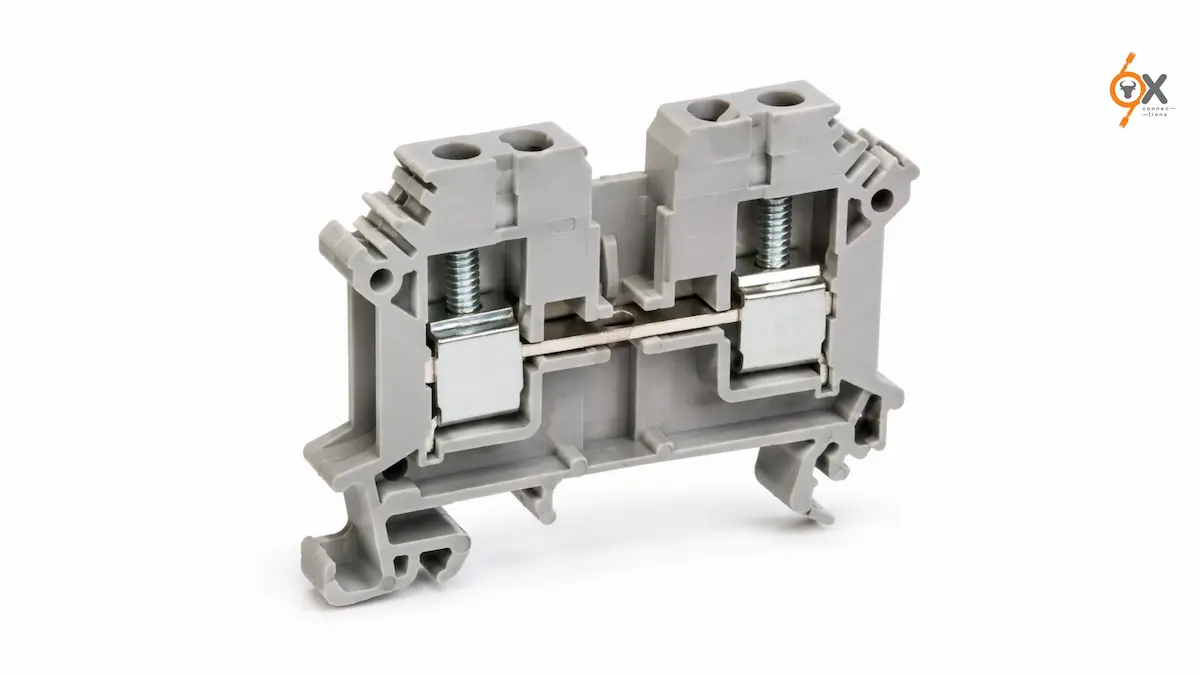
If you’re considering an equivalent to Degson Feed Through Terminal Blocks, understanding the technical factors that matter most can help you make a confident and informed decision.
Have you ever had an entire project delayed because a small electrical component wasn’t available on time? In industrial manufacturing, that’s more common than many people realise. While components like PLCs, circuit breakers, and sensors often receive the most attention, something as simple as a terminal block can determine whether a control panel is completed on schedule or left waiting for parts.
As supply chains continue to evolve, manufacturers are increasingly looking for reliable equivalent components that help keep projects moving without compromising quality. One such component is the Feed Through Terminal Blocks Equivalent. Rather than waiting for extended lead times or relying on a single supplier, engineers and procurement teams are qualifying technically suitable alternatives that meet their design requirements.
Across India’s manufacturing hubs – including Mumbai, Pune, Bengaluru, Chennai, Hyderabad, and Ahmedabad – this approach has become increasingly common. Whether it’s industrial automation, machine building, renewable energy, or process engineering, businesses are prioritising sourcing flexibility alongside product reliability.
What Are Feed Through Terminal Blocks?
At their core, Feed Through Terminal Blocks are designed to create a secure electrical connection between two conductors. Unlike direct wire splicing, they provide an organised termination point that allows electrical current or signals to pass from one side of the terminal block to the other in a structured and serviceable manner.
Their straightforward design makes them one of the most widely used terminal block types across industrial electrical systems.
Whether installed inside control panels, switchboards, automation systems, or machinery, feed through terminal blocks help create organised wiring layouts that simplify installation, inspection, and maintenance.
Instead of dealing with complex cable joints, technicians can quickly identify individual circuits, making troubleshooting and future modifications significantly easier.
Why Are Engineers Looking for Feed Through Terminal Block Equivalent Solutions?
The decision to source an equivalent isn’t simply about replacing one product with another. It’s about maintaining production efficiency while ensuring the selected component continues to meet the application’s technical requirements.
One of the biggest reasons manufacturers evaluate a Feed Through Terminal Blocks Equivalent is supply chain resilience. Depending entirely on a single supplier can expose projects to unexpected delays, particularly when global demand fluctuates.
Lead times are another important consideration. Waiting several weeks for a connector can delay panel assembly, testing, and final equipment delivery. Identifying qualified equivalent products allows manufacturers to continue production without unnecessary interruptions.
Many OEMs also maintain approved vendor lists, allowing procurement teams to source technically compatible components from multiple manufacturers. This approach provides greater purchasing flexibility while reducing dependence on a single brand.
Cost optimisation may also influence purchasing decisions. When an equivalent satisfies the application’s design requirements, businesses gain additional sourcing options without compromising engineering standards.
Where Are Feed Through Terminal Blocks Commonly Used?
One reason Feed Through Terminal Blocks remain so popular is their versatility. They can be found across almost every industry that depends on organised electrical wiring.
Some common applications include:
- Industrial automation systems
- PLC control panels
- Machine building
- Electrical switchboards
- Power distribution equipment
- Process industries
- Renewable energy systems
- HVAC controls
- Building automation
- Instrumentation panels
Because they create structured wiring layouts, feed through terminal blocks are equally valuable in both new installations and equipment upgrades.
As manufacturing facilities continue adopting smarter automation technologies, organised and serviceable wiring has become increasingly important for long-term operational efficiency.
Choosing the Right Feed Through Terminal Blocks Equivalent
Finding a suitable equivalent involves much more than selecting a product with similar dimensions.
A reliable replacement should satisfy both the electrical and mechanical requirements of the original application while integrating smoothly into the existing system.
Evaluate Electrical Compatibility
The first consideration should always be electrical suitability.
Current capacity, voltage requirements, conductor compatibility, and insulation characteristics should all be reviewed before selecting an equivalent.
Rather than assuming two products perform identically because they appear similar, engineers typically compare manufacturer datasheets to confirm suitability for the intended application.
This careful evaluation helps minimise installation issues while supporting reliable long-term performance.
Check Mounting Compatibility
Even minor differences in mounting configuration can affect installation.
When evaluating a Feed Through Terminal Blocks Equivalent, it’s important to verify that the replacement integrates correctly into the existing panel design without requiring unnecessary modifications.
Confirming compatibility before procurement helps avoid delays during assembly.
Consider Wire Size and Conductor Compatibility
A secure electrical connection depends on matching the terminal block to the conductors being used.
Different products support different conductor sizes and connection methods. Selecting an equivalent that accommodates the required wiring simplifies installation while contributing to dependable electrical performance.
This becomes especially important in industrial environments where equipment is expected to operate continuously.
Don’t Overlook Material Quality
Terminal blocks often operate inside electrical panels for many years.
Heat, vibration, dust, and continuous operation all place demands on electrical components. Choosing products manufactured using quality insulating materials and durable construction helps support long-term reliability while reducing maintenance requirements.
Experienced engineers recognise that even relatively simple components can have a significant impact on overall system performance.
Why Well-Organised Wiring Makes a Difference
Anyone who has spent time troubleshooting an industrial control panel knows the value of organised wiring.
When every conductor terminates at a clearly identified connection point, inspections become easier, faults can be located more quickly, and modifications require less effort.
This is one of the major advantages of Feed Through Terminal Blocks. By creating structured electrical connections, they simplify both installation and long-term maintenance while contributing to cleaner and more serviceable control panels.
For OEMs and panel builders managing multiple projects, this consistency also helps improve manufacturing efficiency and quality control.
Benefits of Using Feed Through Terminal Blocks
The continued popularity of Feed Through Terminal Blocks isn’t just because they are easy to install. Their practical design offers several advantages that support efficient panel building, reliable electrical performance, and simplified maintenance throughout the lifecycle of industrial equipment.
Organised Electrical Connections
One of the biggest benefits of Feed Through Terminal Blocks is the structured wiring they create. Instead of multiple conductors being routed through complex wire joints, each connection has a dedicated termination point.
This organised layout makes electrical panels easier to understand, inspect, and service while reducing the possibility of wiring errors during installation.
Simplified Maintenance
Maintenance becomes considerably easier when every electrical connection is clearly accessible.
Technicians can inspect, disconnect, or replace individual conductors without disturbing adjacent wiring, reducing troubleshooting time and helping minimise production downtime.
For industries where equipment availability is critical, this ease of maintenance offers significant operational advantages.
Reliable Electrical Performance
A dependable electrical system begins with dependable connections.
When properly selected and installed, Feed Through Terminal Blocks provide secure conductor terminations that support consistent electrical continuity. This helps maintain stable equipment performance and reduces the likelihood of connection-related issues over time.
Supports Modular Panel Design
Modern control panels are increasingly designed with flexibility in mind.
Using terminal blocks allows engineers to create modular wiring layouts that simplify installation, future expansion, and system modifications. As equipment requirements evolve, organised termination points make additional wiring much easier to manage.
Suitable for a Wide Range of Industrial Applications
From compact control panels to large industrial automation systems, Feed Through Terminal Blocks are used across diverse industries because of their versatility.
Whether the application involves machinery, power distribution, process automation, or building management systems, structured electrical connections contribute to improved reliability and easier servicing.
Common Mistakes to Avoid
Finding a suitable Feed Through Terminal Blocks Equivalent involves more than selecting a product that appears similar.
One of the most common mistakes is assuming all feed through terminal blocks have identical specifications. Differences in conductor capacity, mounting method, insulation characteristics, and overall design can influence both installation and long-term performance.
Another oversight is focusing only on price. While cost is an important procurement factor, selecting a component solely because it is less expensive may not provide the best value if it affects reliability or availability.
Engineers should also consider the operating environment. Factors such as vibration, dust, humidity, and temperature can influence connector performance, making application suitability an important part of the selection process.
Finally, future maintenance should always be considered. Components that provide organised and easily accessible wiring layouts can significantly reduce servicing time throughout the equipment’s lifecycle.
The Growing Demand for Reliable Terminal Blocks in India
India’s manufacturing sector continues to expand rapidly across industries such as industrial automation, automotive, renewable energy, consumer electronics, infrastructure, and process engineering.
As production facilities become increasingly automated, the demand for dependable Feed Through Terminal Blocks and other industrial connectivity solutions continues to grow.
Across the Terminal Blocks India market, procurement teams are placing greater emphasis on suppliers that can provide consistent product availability, technical support, and dependable delivery schedules.
For OEMs and panel builders, maintaining a reliable supply chain has become just as important as selecting technically suitable components.
Why Working with the Right Distributor Matters
Even the most suitable component has limited value if it isn’t available when production requires it.
Manufacturers today operate under tight project timelines, making consistent inventory and responsive technical support increasingly valuable.
An experienced distributor not only provides access to multiple connector solutions but also helps procurement teams identify suitable alternatives when sourcing challenges arise.
For businesses evaluating equivalent products, working with a knowledgeable distribution partner can simplify procurement while reducing project delays.
Conclusion
Choosing the right Feed Through Terminal Blocks Equivalent is about more than finding an alternative component – it’s about ensuring long-term reliability, simplified maintenance, and uninterrupted production.
By carefully evaluating electrical compatibility, conductor suitability, mounting requirements, and overall build quality, engineers can confidently identify equivalent solutions that meet the demands of modern industrial applications.
As industries continue to prioritise supply chain flexibility and operational efficiency, well-selected Feed Through Terminal Blocks remain an essential part of organised and dependable electrical systems.
OXConnections is a trusted distributor of electronic connectors, offering a comprehensive range of industrial connectivity solutions for automation, automotive, renewable energy, medical equipment, consumer electronics, and process industries. With ready inventory, dependable product availability, and technical support, OX Connections helps OEMs, panel builders, and manufacturers across India source reliable connector solutions while reducing procurement challenges and lead times.