
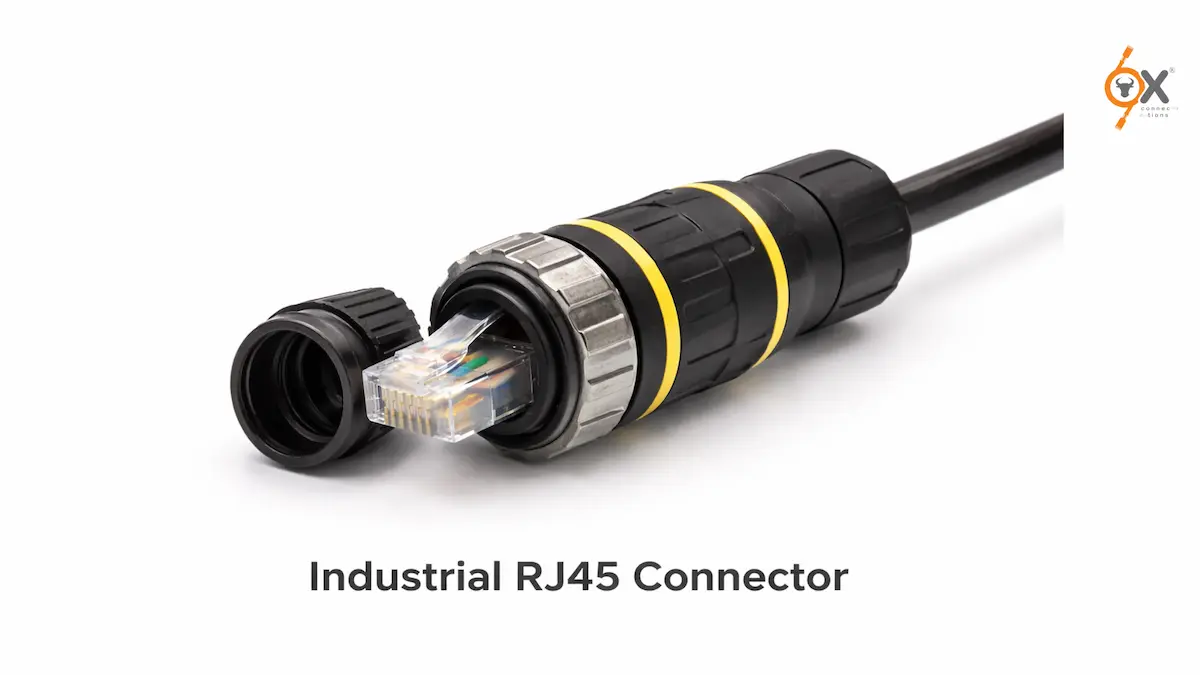
Modern industries depend heavily on uninterrupted communication. From factory automation and robotics to renewable energy systems and industrial monitoring equipment, stable Ethernet connectivity has become essential for maintaining operational efficiency. However, industrial environments are very different from standard office networking setups. Dust, vibration, electrical interference, heat, and continuous machine operation can affect network performance if the right connectivity components are not used. This is where an Industrial RJ45 Connector plays an important role.
Designed specifically for demanding applications, the Industrial Ethernet Connector offers enhanced durability, reliable signal transmission, and long-term performance in harsh operating conditions. Whether used in manufacturing plants, automation systems, smart infrastructure, or energy management equipment, these connectors help maintain stable communication where reliability truly matters.
What Is an Industrial RJ45 Connector?
An Industrial RJ45 Connector is a rugged Ethernet connector designed to operate in challenging industrial environments. While it follows the same 8P8C (8-position, 8-contact) format commonly used in Ethernet communication, it is engineered with stronger materials and improved protection features compared to standard connectors.
These connectors are built to handle:
- Mechanical stress
- Vibration
- Dust exposure
- Temperature fluctuations
- Electromagnetic interference
- Continuous operation
Because industrial networks often run mission-critical systems, the connector’s reliability directly impacts system uptime and operational efficiency.
Why Industrial Environments Need Specialized RJ45 Connectors
In a typical office network, environmental stress is minimal. But industrial facilities contain heavy machinery, motors, control panels, power systems, and electrical equipment that can affect communication stability.
Using a regular connector in these environments may lead to:
- Signal interruptions
- Network instability
- Communication errors
- Increased maintenance
- Equipment downtime
An Industrial RJ45 Connector is specifically designed to reduce these risks and ensure stable Ethernet communication even under demanding conditions.
Key Features of an Industrial RJ45 Connector
Rugged Construction
Industrial connectors are built using durable materials that can withstand physical stress and repeated usage.
Enhanced Durability
Compared to standard connectors, industrial variants are designed for longer operational life in demanding applications.
Reliable Signal Integrity
Stable communication is critical in industrial automation systems where even minor interruptions can impact productivity.
Resistance to Environmental Factors
Many industrial connectors are designed to tolerate:
- Dust
- Moisture
- Heat
- Vibration
- Mechanical shock
Secure Connection
Industrial applications often involve equipment movement and continuous operation, making secure locking mechanisms essential.
How Does an Industrial RJ45 Connector Work?
Like a standard RJ45 Connector, the industrial version creates an electrical connection between Ethernet-enabled devices and network cables.
When inserted into a compatible Ethernet port, the internal contacts establish a communication pathway that allows high-speed data transfer between devices.
The difference lies in the connector’s ability to maintain stable performance even in harsh industrial conditions where standard networking hardware may struggle.
Applications of Industrial RJ45 Connectors
The Industrial RJ45 Connector is widely used across industries that rely on Ethernet-based communication systems.
Industrial Automation
Automation systems require stable communication between machines, controllers, and monitoring systems.
Applications include:
- PLC systems
- Robotics
- HMIs
- SCADA systems
- Machine communication networks
Renewable Energy Systems
Industrial Ethernet connectivity is increasingly used in renewable energy applications such as:
- Solar monitoring systems
- Energy management equipment
- Communication gateways
- Data acquisition systems
Manufacturing Facilities
Factories often contain electrically noisy environments where robust communication systems are essential.
Transportation and Infrastructure
Industrial connectors are commonly used in:
- Railway communication systems
- Traffic management systems
- Smart infrastructure
- Industrial surveillance networks
Medical and Electronic Equipment
Reliable Ethernet communication is critical in advanced medical devices and industrial electronics.
Benefits of Using an Industrial RJ45 Connector
Improved Network Reliability
Industrial connectors help maintain consistent communication in harsh environments.
Reduced Downtime
Reliable connectivity reduces the risk of network-related operational failures.
Long-Term Durability
The rugged construction increases service life and minimizes replacement frequency.
Better Performance in Challenging Conditions
Industrial connectors are designed to continue operating efficiently despite vibration, temperature changes, and environmental exposure.
Support for High-Speed Communication
Modern industrial systems increasingly rely on fast Ethernet communication for real-time data exchange.
Factors to Consider Before Selecting an Industrial RJ45 Connector
Choosing the right connector depends on the application environment and operational requirements.
Environmental Conditions
Evaluate whether the connector will be exposed to:
- Dust
- Moisture
- Heat
- Electrical interference
- Mechanical vibration
Cable Compatibility
Ensure the connector is compatible with the Ethernet cable specifications used within the system.
Mechanical Strength
Industrial environments may require connectors capable of handling repeated insertion cycles and physical stress.
Compliance Requirements
For industrial OEMs, certifications such as RoHS and CE compliance are often important.
Long-Term Reliability
Selecting high-quality connectors reduces maintenance and improves overall system performance.
Common Installation Mistakes to Avoid
Even a durable connector can underperform if installation is not handled correctly.
Some common mistakes include:
- Improper cable termination
- Excessive cable bending
- Poor grounding practices
- Using incompatible cables
- Applying excessive mechanical stress during installation
Proper installation helps maximize connector lifespan and communication reliability.
Why Quality Matters in Industrial Connectivity
In industrial systems, communication failures can impact production, monitoring, safety, and operational efficiency. That is why even small components like connectors play a critical role in overall system performance.
For OEMs and manufacturers working in industrial automation, renewable energy, home appliances, EV systems, and medical electronics, selecting reliable connectivity solutions is essential.
At OXConnections, we support industries with dependable connector solutions designed for performance, certification compliance, competitive pricing, and reliable availability – helping businesses reduce procurement challenges and long lead times often associated with imported connector brands.
Conclusion
The Industrial RJ45 Connector is designed to deliver reliable Ethernet connectivity in environments where standard connectors may not perform consistently. Its rugged construction, dependable signal transmission, and resistance to harsh operating conditions make it an essential component in modern industrial networking systems.
From automation and manufacturing to renewable energy and infrastructure projects, industrial Ethernet communication continues to grow rapidly. Choosing the right Industrial Ethernet Connector helps ensure long-term reliability, reduced downtime, and efficient communication across critical systems.