
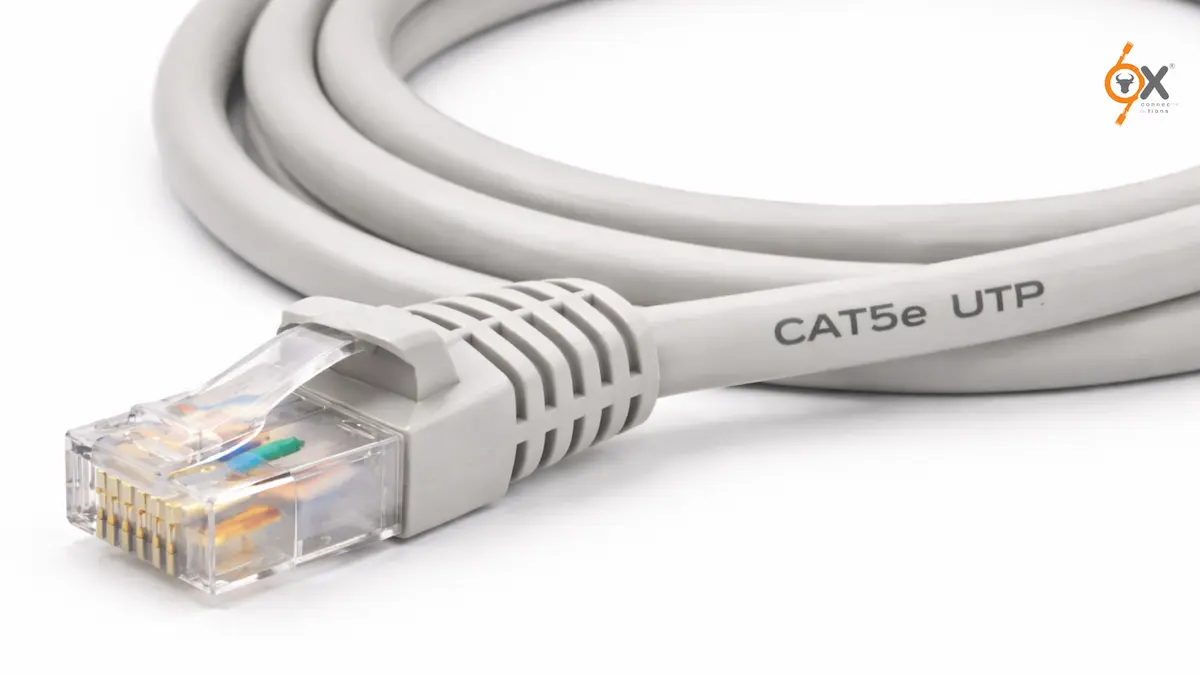
From offices and factories to homes and data centers, modern communication depends heavily on stable and high-speed network infrastructure. Whether it is internet access, data transfer, VoIP communication, CCTV systems, or industrial automation, the foundation of every reliable network begins with the right cabling solution. Among the most commonly used networking cables worldwide is the Cat5e Cable. Known for its affordability, reliability, and compatibility, Cat5e continues to be one of the most preferred solutions for Ethernet networking across residential, commercial, and industrial applications.
Even with newer cable categories available today, Cat5e remains highly relevant because it offers an ideal balance between performance and cost-effectiveness. For businesses and OEMs seeking dependable networking infrastructure without unnecessary complexity, Cat5e is often the practical choice.
In this guide, we will explore what a Cat5e Ethernet Cable is, how it works, its features, speed capabilities, advantages, and why it continues to be widely used in modern networking systems.
What Is a Cat5e Cable?
A Cat5e Cable is a type of twisted-pair Ethernet Cable used for transmitting data in computer networks and communication systems.
The term “Cat5e” stands for Category 5 Enhanced. It was introduced as an improved version of the original Cat5 cable to support better performance, reduced interference, and higher data transmission reliability.
Cat5e cables are commonly used in:
- Local Area Networks (LAN)
- Internet connectivity
- Office networking
- CCTV systems
- VoIP communication
- Industrial networking
- Smart home installations
These cables are designed to minimize crosstalk and electromagnetic interference, ensuring stable and efficient signal transmission.
How Does a Cat5e Ethernet Cable Work?
A Cat5e Ethernet Cable contains four twisted pairs of copper wires enclosed inside a protective jacket.
The twisting of wire pairs plays a critical role in reducing:
- Signal interference
- Crosstalk
- Electromagnetic noise
When data travels through the cable, the twisted structure helps maintain signal integrity even in environments with electrical interference.
The cable is typically terminated using RJ45 connectors, making it compatible with:
- Routers
- Switches
- Computers
- Network devices
- IP cameras
- Industrial communication systems
Because of its structured design, Cat5e supports stable communication for both residential and commercial networking applications.
Key Features of Cat5e Cable
1. Supports Gigabit Ethernet
One of the biggest advantages of Cat5e Cable is its ability to support Gigabit Ethernet speeds up to 1000 Mbps.
This makes it suitable for:
- High-speed internet
- File sharing
- Streaming
- Online gaming
- Office networks
- Video conferencing
For many applications, Cat5e still provides more than enough bandwidth for daily networking requirements.
2. Reduced Crosstalk
Compared to older Cat5 cables, Cat5e offers significantly improved resistance to crosstalk.
Crosstalk occurs when signals from adjacent wire pairs interfere with each other, leading to reduced performance and unstable communication.
Enhanced internal specifications help Cat5e maintain cleaner signal transmission across networks.
3. Cost-Effective Networking Solution
For businesses seeking dependable networking infrastructure without excessive costs, Cat5e remains a highly practical option.
It offers:
- Reliable performance
- Easy installation
- Broad compatibility
- Lower installation costs
This affordability makes it widely used across offices, educational institutions, retail spaces, and industrial facilities.
4. Backward Compatibility
A major benefit of LAN Cable infrastructure based on Cat5e is compatibility with older networking hardware.
Cat5e can work seamlessly with:
- Existing Ethernet devices
- Older routers and switches
- Legacy networking equipment
This flexibility simplifies network upgrades and expansions.
5. Easy Installation
Cat5e cables are relatively lightweight and flexible compared to some higher-category networking cables.
This makes installation easier in:
- Offices
- Commercial buildings
- Manufacturing units
- Residential properties
- Server rooms
Its flexibility also helps reduce cable management complexity.
Cat5e Cable Speed and Performance
Understanding Cat5e speed capabilities is essential when selecting the right networking solution.
Typical Cat5e performance includes:
| Parameter | Specification |
| Maximum Speed | 1 Gbps |
| Maximum Bandwidth | 100 MHz |
| Maximum Distance | 100 meters |
| Connector Type | RJ45 |
| Cable Structure | Twisted Pair Copper Cable |
For most standard networking applications, these specifications are more than sufficient.
Even today, many businesses continue to rely on Cat5e Ethernet Cable infrastructure for stable and efficient operations.
Common Applications of Cat5e Cable
The versatility of Ethernet Cable solutions makes Cat5e suitable for numerous industries and environments.
Office Networking
Cat5e is extensively used in office setups for connecting:
- Computers
- Printers
- Switches
- Servers
- Internet systems
Its affordability and reliability make it ideal for day-to-day business communication.
CCTV and Security Systems
Modern surveillance systems depend on stable network communication.
Cat5e cables are commonly used for:
- IP cameras
- DVR systems
- Network video recorders
- Access control systems
Reliable signal transmission is essential for uninterrupted security monitoring.
Industrial Automation
Many industrial control systems require organized and interference-resistant networking infrastructure.
Applications include:
- PLC communication
- Control panels
- Industrial Ethernet
- Machine connectivity
- Automation systems
Industrial-grade networking solutions often depend on structured cabling systems using Cat5e technology.
Home Networking
Residential installations continue to use Cat5e for:
- Broadband internet
- Smart TVs
- Gaming consoles
- Wi-Fi routers
- Smart home devices
Its cost-effectiveness makes it a practical choice for home users seeking stable wired connectivity.
Cat5e vs Cat6: What’s the Difference?
One of the most common networking questions involves choosing between Cat5e and Cat6 cables.
While both support Ethernet communication, there are some key differences.
| Feature | Cat5e | Cat6 |
| Maximum Speed | 1 Gbps | 10 Gbps (short distance) |
| Bandwidth | 100 MHz | 250 MHz |
| Cost | Lower | Higher |
| Flexibility | More Flexible | Slightly Thicker |
| Common Usage | Standard Networking | High-Speed Data Networks |
For many businesses and industrial applications, Cat5e continues to provide excellent performance at a lower cost.
Why Cable Quality Matters
Not all networking cables deliver the same level of performance.
Poor-quality LAN Cable products can lead to:
- Signal loss
- Slow network speeds
- Connectivity interruptions
- Increased maintenance
- System downtime
Reliable cable manufacturing is critical for ensuring consistent network performance.
This is why businesses often prioritize suppliers that provide certified, high-quality networking solutions with dependable availability and competitive pricing. Companies such as OX Connections continue to support OEMs and industries by offering reliable connector and networking solutions suitable for modern infrastructure requirements.
Choosing the Right Cat5e Ethernet Cable
Before selecting a cable, it is important to evaluate application requirements carefully.
Consider factors such as:
Indoor vs Outdoor Usage
Outdoor installations may require weather-resistant cable jackets for protection against environmental exposure.
Shielded vs Unshielded Cable
Shielded cables offer additional protection against electromagnetic interference in electrically noisy environments.
Cable Length Requirements
Longer cable runs must maintain signal integrity across the intended distance.
Network Speed Needs
Evaluate current and future networking requirements before selecting cable specifications.
The Future of Cat5e Cable
Although networking technology continues to evolve rapidly, Cat5e Cable remains highly relevant in global infrastructure.
Its continued popularity is driven by:
- Affordable deployment
- Reliable performance
- Wide compatibility
- Easy installation
- Sufficient speed for most applications
For many businesses, upgrading to higher-category cables may not be necessary unless extremely high-speed data transmission is required.
As a result, Cat5e continues to serve as a dependable networking standard across commercial, industrial, and residential environments.
Conclusion
The Cat5e Cable remains one of the most practical and widely used networking solutions in modern communication systems. Its ability to deliver stable Gigabit Ethernet performance while remaining cost-effective makes it a preferred choice for businesses, OEMs, industrial systems, and residential networks alike.
From office connectivity and CCTV systems to industrial automation and home networking, Cat5e continues to support reliable data communication across countless applications. Its flexibility, ease of installation, and compatibility with existing infrastructure further contribute to its long-standing popularity.
For organizations seeking dependable networking and connectivity solutions, trusted suppliers such as OXConnections provide reliable cable and connector products designed to meet the evolving demands of modern networking environments.
FAQs
1. What is a Cat5e Cable used for?
A Cat5e Cable is used for Ethernet networking applications such as internet connectivity, office networking, CCTV systems, industrial communication, and LAN infrastructure.
2. Is Cat5e good enough for modern internet speeds?
Yes. Cat5e Ethernet Cable supports speeds up to 1 Gbps, which is sufficient for most residential, office, and commercial networking applications.
3. What is the difference between Cat5e and Cat6 cable?
Cat6 offers higher bandwidth and faster speed capabilities compared to Cat5e, but Cat5e remains a more cost-effective solution for standard networking requirements.