
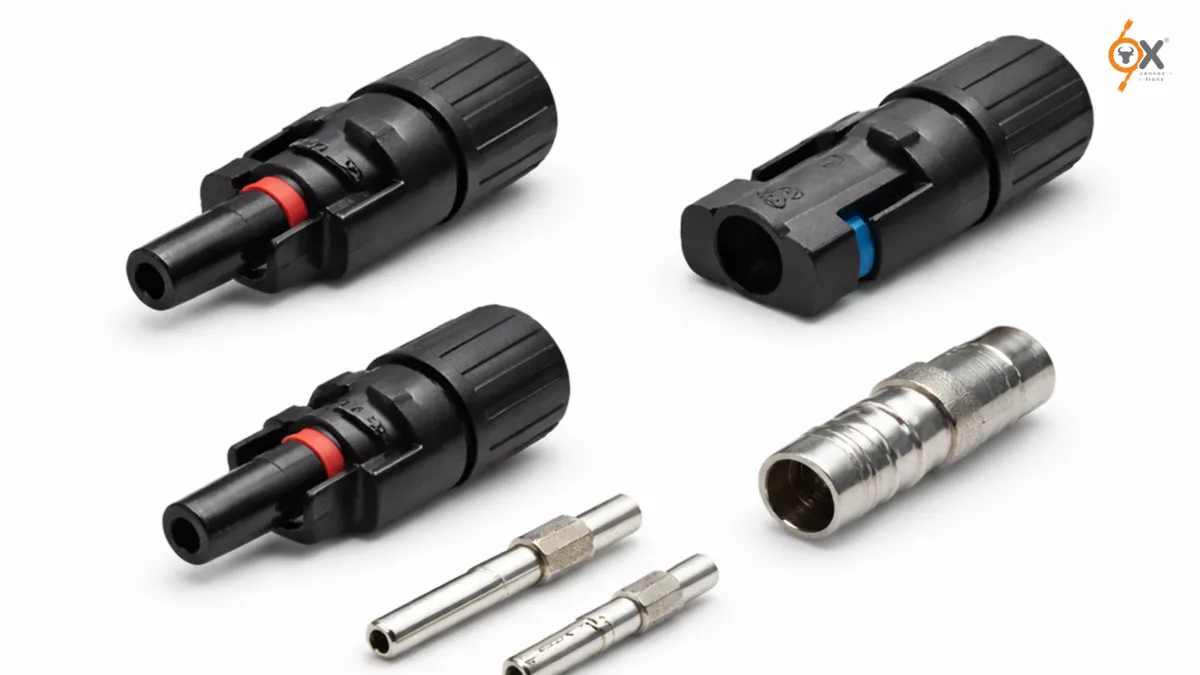
For anyone working with solar installations, whether a beginner setting up a small rooftop system or an experienced installer, understanding MC4 Connector Types and the MC4 connector voltage rating is essential. The right connector ensures a stable electrical connection, prevents energy loss, and improves the overall lifespan of the solar system.
Solar power systems rely on several small yet crucial components that ensure safe and efficient electricity flow. Among these, MC4 connectors for solar panels play a key role in linking panels together and connecting them to the inverter. While they may look like simple plugs, these connectors are specifically engineered to handle high DC voltage, outdoor exposure, and long-term reliability.
This guide breaks down everything you need to know about MC4 connectors in a practical, easy-to-understand way.
What Are MC4 Connectors?
MC4 connectors for solar panels are standardized electrical connectors used to link solar modules in photovoltaic (PV) systems. The term MC4 stands for “Multi-Contact, 4 mm pin diameter.”
These connectors are widely used because they offer:
- Secure locking mechanisms
- High resistance to weather and UV exposure
- Reliable current transmission
- Quick and safe installation
Every solar panel typically comes with pre-attached cables ending in MC4 connectors – one male and one female – allowing panels to be easily connected in series or parallel.
What makes them particularly valuable is their plug-and-play design. Installers can quickly connect panels without complex wiring, reducing both installation time and the risk of loose electrical connections.
Why MC4 Connectors Are Essential in Solar Systems
Solar systems generate direct current (DC) electricity, which flows continuously through the wiring network before reaching the inverter. If the connectors in this chain are not reliable, the system can suffer from voltage drops, overheating, or even safety hazards.
This is why MC4 connectors for solar panels have become the global standard in solar installations. Their benefits include:
- Weather Resistance
Solar panels are constantly exposed to sun, rain, dust, and temperature changes. MC4 connectors are designed with strong insulation and waterproof sealing that protects the electrical connection.
- Secure Locking Mechanism
Once connected, MC4 connectors lock firmly in place. This prevents accidental disconnection due to wind, vibration, or movement.
- Minimal Energy Loss
High-quality connectors ensure consistent electrical conductivity, reducing power loss between solar panels.
- Long Service Life
When installed correctly, MC4 connectors can last as long as the solar panels themselves.
Understanding MC4 Connector Types
Solar installations can vary widely depending on system size, layout, and wiring configuration. That’s why different MC4 connector types exist to support various connection methods.
1. Standard MC4 Connectors
These are the most commonly used connectors in solar installations. Each cable has:
- One male connector
- One female connector
They are primarily used to connect solar panels in series, allowing voltage to increase across the string.
Standard connectors are reliable, simple, and widely compatible with most solar modules.
2. MC4 Y Connectors
Y connectors allow installers to connect multiple panels into one line. They are often used when creating parallel wiring configurations.
Benefits include:
- Faster system expansion
- Simplified cable routing
- Efficient parallel connections
Y connectors are among the most useful MC4 connector types when dealing with multiple panel arrays.
3. MC4 Branch Connectors
Branch connectors serve a similar purpose to Y connectors but are designed for larger parallel solar setups.
These connectors make it easier to:
- Combine multiple panel strings
- Reduce wiring complexity
- Maintain organized cable layouts
They are particularly common in commercial and larger residential installations.
4. Inline MC4 Fuse Connectors
Some systems require extra circuit protection. Inline fuse connectors integrate a fuse directly within the connector assembly.
They help protect the solar system from:
- Overcurrent
- Short circuits
- Equipment damage
Among the different MC4 connector types, these are particularly useful in safety-focused solar designs.
MC4 Connector Voltage Rating Explained
One of the most critical specifications installers must understand is the MC4 connector voltage rating.
Solar systems operate with high DC voltage, especially when panels are connected in series. Using connectors with inadequate ratings can lead to overheating, insulation breakdown, or electrical failure.
Typical MC4 connector voltage rating specifications include:
- 1000V DC – Common in residential solar systems
- 1500V DC – Used in larger commercial and utility-scale solar installations
The voltage rating determines the maximum voltage the connector can safely handle without risking insulation damage or electrical arcing.
In addition to voltage capacity, connectors also have current ratings, usually between 30A and 45A, depending on the cable size used.
When selecting connectors, installers must ensure that both voltage and current ratings match the system requirements.
Certifications and Safety Standards
Reliable connectors must comply with international electrical safety standards. Certified connectors undergo extensive testing to ensure performance under real-world conditions.
Common certifications associated with MC4 connectors for solar panels include:
UL Certification
Ensures compliance with North American electrical safety standards.
TÜV Certification
Confirms performance and safety under European testing regulations.
IEC Standards
International standards that verify durability, insulation quality, and electrical reliability.
Certified connectors guarantee that the MC4 connector voltage rating and safety specifications meet industry expectations.
Best Practices for Installing MC4 Connectors
Even the best connectors can fail if they are installed incorrectly. Proper installation is essential for ensuring electrical safety and long-term system performance.
Use the Right Crimping Tool
MC4 connectors require a specialized crimping tool to attach the metal contact pins to solar cables. Using standard pliers can create weak connections that lead to overheating.
Check Cable Compatibility
Different connectors support different cable sizes. Installers should ensure the connector matches the solar cable gauge being used.
Ensure Proper Polarity
Solar cables have positive and negative terminals. Always confirm the polarity before connecting to avoid damaging the inverter or other system components.
Lock the Connectors Fully
MC4 connectors are designed to click securely into place. If the connection is not fully locked, it may loosen over time and interrupt power flow.
Quality Matters: Choosing the Right Connector
In solar installations, connectors are sometimes overlooked because they are small components compared to panels and inverters. However, poor-quality connectors can lead to:
- Increased resistance
- Energy loss
- Electrical arcing
- Potential fire hazards
High-quality MC4 connectors for solar panels are manufactured using durable materials, high-precision metal contacts, and strong weatherproof seals.
Installers should avoid mixing connectors from different manufacturers, as mismatched components may not lock properly or maintain reliable electrical contact.
Common Mistakes to Avoid
Even experienced installers sometimes make mistakes with connectors. Avoiding these common issues can improve system reliability.
Using incompatible connector brands
Different designs may not fit together securely.
Improper crimping
Loose metal contacts can cause overheating.
Ignoring voltage ratings
Always verify the MC4 connector voltage rating before installation.
Skipping safety checks
Polarity checks and insulation inspection are essential before powering the system.
Conclusion
Although small in size, MC4 connectors for solar panels are one of the most important components in any solar power installation. They ensure reliable electrical connections, protect the system from environmental damage, and support safe energy transfer across the solar array.
Understanding different MC4 connector types helps installers design efficient wiring layouts, while paying attention to the MC4 connector voltage rating ensures the connectors can safely handle the system’s electrical load.
Whether you are installing a residential rooftop system or working on a large solar project, choosing high-quality connectors and installing them correctly will significantly improve the performance, safety, and longevity of your solar power system.
FAQ
- What are MC4 connectors used for?
They are electrical connectors used to link solar panels together and connect them to other components in a photovoltaic system.
- What is the typical MC4 connector voltage rating?
Most connectors support 1000V or 1500V DC, depending on the solar installation requirements.
- Are different MC4 connector types compatible with each other?
While many connectors look similar, mixing different brands or designs can cause poor connections. It is best to use matching MC4 connector types from the same manufacturer.