
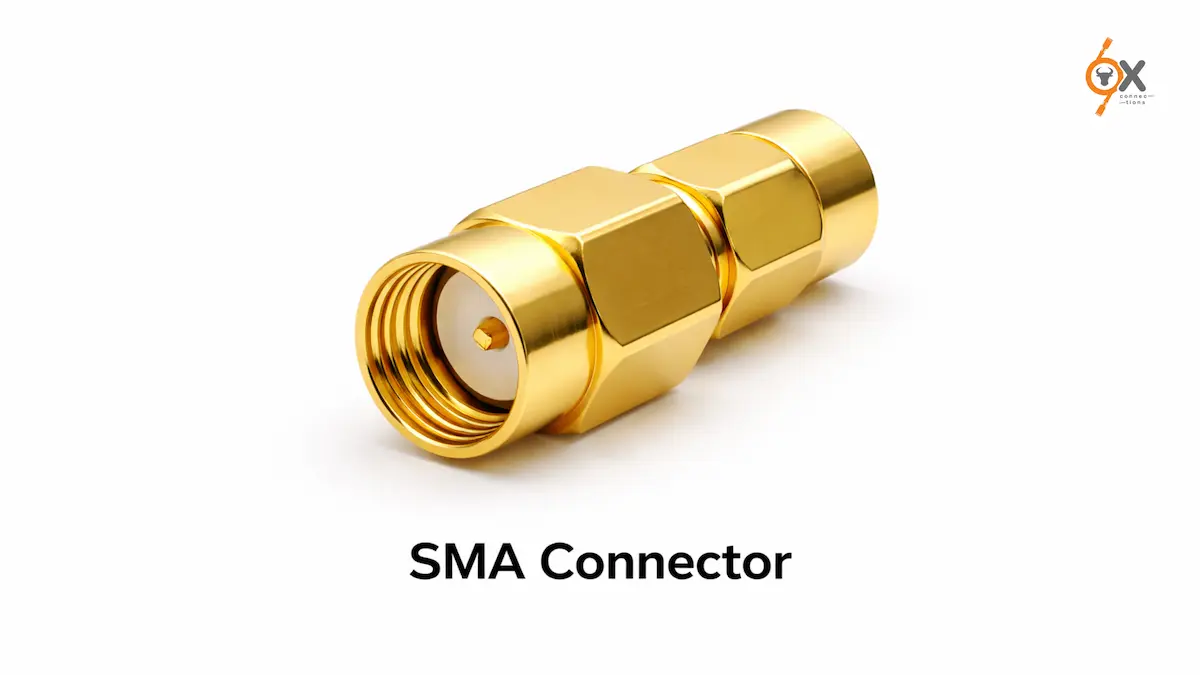
In this article, we explore common SMA connector selection mistakes, key evaluation criteria, and best practices for choosing connectors that support reliable RF performance.
In RF system design, even the smallest components can have a significant impact on overall performance. Whether you’re developing telecom infrastructure, IoT devices, industrial automation systems, wireless communication equipment, medical electronics, or renewable energy applications, selecting the right SMA Connector is essential for ensuring reliable signal transmission and long-term system performance.
Unfortunately, connector selection is often treated as a routine procurement task rather than a critical engineering decision. The result can be signal degradation, impedance mismatches, connectivity issues, increased maintenance costs, and premature field failures.
A well-planned RF Connector Selection Guide helps engineers and procurement teams avoid these challenges by evaluating connector requirements early in the design process.
Understanding the Importance of SMA Connectors
An SMA Connector is one of the most widely used RF connectors across industries that depend on high-frequency signal transmission. Known for its compact design and secure threaded coupling mechanism, it is commonly used in telecommunications, wireless networking, antennas, instrumentation, industrial electronics, and embedded communication systems.
The connector serves as a critical interface between RF components. Even when cables, antennas, and active devices are properly selected, poor connector choices can negatively affect system performance.
This is why understanding SMA Connector Specifications is essential for both design engineers and sourcing teams.
Why Connector Selection Matters
The quality and suitability of a connector influence several aspects of system performance, including:
- Signal integrity
- Mechanical reliability
- Installation efficiency
- Product lifespan
- Maintenance requirements
- Overall system uptime
Choosing the wrong connector can create avoidable issues that become costly once products reach production or deployment stages.
A structured RF Connector Selection Guide helps minimize these risks.
Common SMA Connector Selection Mistakes
1. Prioritizing Cost Over Long-Term Value
One of the most common procurement mistakes is selecting connectors solely based on unit price.
While cost control is important, low-cost connectors may introduce quality inconsistencies, unreliable performance, or reduced durability. The financial impact of troubleshooting and replacing failed components often exceeds the initial savings.
Instead of focusing only on pricing, organizations should evaluate:
- Manufacturing quality
- Material consistency
- Supplier reliability
- Product certifications
- Inventory availability
- Long-term sourcing support
A connector should be viewed as a reliability investment rather than simply a line-item expense.
2. Ignoring Application Requirements
Not every SMA connector is suitable for every RF application.
A connector selected for laboratory equipment may not perform adequately in industrial or outdoor environments.
Before selecting a connector, consider:
- Indoor versus outdoor installation
- Exposure to vibration
- Temperature fluctuations
- Mechanical stress
- Environmental contaminants
- Maintenance requirements
Understanding the operating environment is the foundation of proper connector selection.
3. Overlooking Mechanical Compatibility
Electrical performance often receives the most attention, but mechanical compatibility is equally important.
A connector that does not align properly with enclosure layouts, mounting points, or cable routing requirements can create installation challenges and long-term reliability concerns.
Important factors include:
- Panel mounting requirements
- Bulkhead integration
- PCB mounting methods
- Equipment space constraints
- Connector accessibility
Mechanical considerations should be addressed during the design phase rather than after production begins.
4. Failing to Review SMA Connector Specifications
Many field issues can be traced back to incomplete specification reviews.
When evaluating SMA Connector Specifications, teams should assess:
- Connector configuration
- Mounting style
- Contact materials
- Plating options
- Environmental suitability
- Cable compatibility
- Mechanical design requirements
Carefully reviewing specifications helps reduce the risk of performance issues and sourcing errors.
5. Selecting the Wrong Connector Gender
Connector gender mismatches remain surprisingly common in procurement and assembly operations.
Incorrect selections can result in:
- Installation delays
- Additional adapter requirements
- Procurement inefficiencies
- Inventory management challenges
Verifying mating requirements before ordering can eliminate unnecessary complications.
6. Ignoring Environmental Conditions
Environmental exposure is a major contributor to connector degradation.
Applications in telecom infrastructure, renewable energy installations, industrial automation systems, and transportation equipment often face demanding operating conditions.
Factors to consider include:
- Moisture exposure
- Corrosion risks
- Dust contamination
- Mechanical vibration
- Temperature variations
Selecting connectors appropriate for the operating environment helps improve system reliability and longevity.
7. Assuming All SMA Connectors Are the Same
Although connectors may appear similar, manufacturing quality and dimensional consistency can vary significantly between suppliers.
Differences in materials, production processes, and quality control can influence:
- Signal performance
- Mating reliability
- Mechanical durability
- Product lifespan
Working with reputable suppliers helps ensure consistent quality across production volumes.
8. Neglecting Cable Compatibility
Connector performance depends heavily on compatibility with the selected RF cable assembly.
Failure to verify compatibility can result in:
- Assembly difficulties
- Installation delays
- Reduced reliability
- Performance inconsistencies
Cable and connector requirements should always be reviewed together rather than as separate procurement decisions.
Common Types of SMA Connectors
Understanding connector configurations is an important part of selecting the right solution.
Straight SMA Connectors
Straight SMA connectors are widely used where direct cable routing is possible. They are common in networking equipment, instrumentation systems, and telecommunications infrastructure.
Right-Angle SMA Connectors
Right-angle connectors are useful in compact installations where space limitations make straight cable routing impractical.
Bulkhead SMA Connectors
Bulkhead SMA connectors are designed for panel and enclosure mounting. They allow RF signals to pass through equipment housings while maintaining secure mechanical connections.
PCB Mount SMA Connectors
PCB mount connectors are integrated directly onto printed circuit boards and are commonly used in wireless communication devices, embedded systems, and IoT applications.
Selecting the appropriate configuration early in the design process can simplify installation and improve overall system reliability.
Common RF Performance Problems Linked to Poor Connector Selection
Many RF issues attributed to antennas, cables, or active devices can actually originate from connector-related problems.
Signal Reflection
Improper connector selection can contribute to impedance mismatches that create unwanted signal reflections and reduce overall system efficiency.
Increased Signal Loss
Poor-quality connectors or unsuitable connector configurations may introduce additional losses into the RF signal path.
Intermittent Connectivity
Mechanical wear, poor mating quality, and inconsistent manufacturing can lead to intermittent connection issues that are difficult to diagnose in the field.
Premature Equipment Failure
Repeated mechanical stress on unsuitable connectors can accelerate wear and increase maintenance requirements over time.
For mission-critical systems, connector reliability should be considered an integral part of system design.
SMA Connector Selection Checklist
Before finalizing a connector purchase, engineering and procurement teams should review the following checklist:
- Confirm application requirements
- Verify cable compatibility
- Review mounting requirements
- Assess environmental conditions
- Evaluate connector quality standards
- Check available certifications
- Consider maintenance accessibility
- Validate connector mating compatibility
- Review supplier inventory availability
- Assess long-term sourcing reliability
Following a structured selection process can help prevent costly redesigns and field failures.
Industries That Depend on Reliable SMA Connectors
High-quality SMA connectors are widely used across:
- Telecommunications
- Wireless communications
- Industrial automation
- IoT devices
- Test and measurement equipment
- Renewable energy systems
- EV infrastructure
- Medical electronics
- Networking equipment
- Embedded communication systems
As connectivity requirements continue to grow, reliable RF interconnect solutions remain essential for achieving dependable performance.
Why Supplier Selection Is Equally Important
Selecting the right connector is only part of the equation. Choosing the right supplier is equally important.
OEMs increasingly evaluate suppliers based on:
- Product quality consistency
- Inventory availability
- Lead-time reliability
- Technical support
- Documentation support
- Compliance capabilities
A dependable supplier helps reduce sourcing risks while supporting uninterrupted production schedules.
OX Connections: Supporting Reliable RF Connectivity
At OX Connections, we support OEMs, system integrators, and manufacturers with dependable RF connectivity solutions, including SMA connectors and related interconnect products.
Our customers rely on us for:
- Competitive commercial positioning
- Ready stock availability
- Reduced lead times
- Consistent product quality
- Technical support
- Certified product offerings across multiple connector categories
We serve customers across telecom, renewable energy, industrial automation, EV, medical electronics, home appliances, and other high-growth industries where reliable connectivity is critical to operational success.
Whether you’re designing a new RF system or optimizing an existing product, selecting the right connector and sourcing partner can significantly improve project outcomes.
Conclusion
Choosing the right SMA Connector goes beyond finding a component that fits mechanically. It requires careful evaluation of application requirements, environmental conditions, connector specifications, cable compatibility, and supplier reliability.
By avoiding common selection mistakes and following a structured RF Connector Selection Guide, engineers and procurement teams can improve signal integrity, reduce maintenance challenges, and support long-term system performance.
As RF-enabled technologies continue to expand across industries, informed connector selection remains one of the simplest and most effective ways to improve product reliability and operational efficiency.
About OX Connections
OXConnections is a trusted supplier of connector and interconnect solutions serving OEMs and manufacturers across diverse industries. We offer a broad portfolio of connectivity products designed to support demanding applications in telecom, renewable energy, EV, industrial automation, home appliances, and medical electronics. Our focus is on delivering dependable quality, competitive value, responsive support, and reliable supply to help customers meet their production and project goals.