
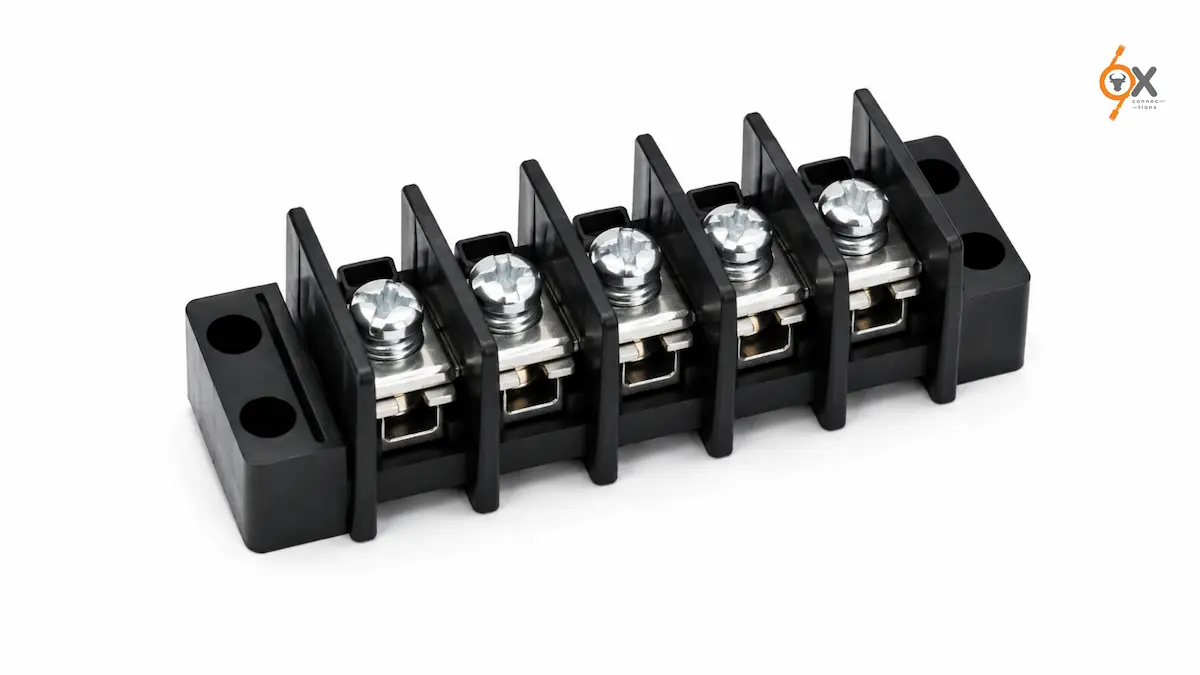
Understanding how Transfer Type Barrier Terminal Blocks work and where they are best suited can help businesses make informed decisions. It can also help them build electrical systems that perform reliably over the long term.
Have you ever wondered what keeps hundreds of electrical connections inside an industrial control panel organised, secure, and easy to maintain? PLCs, relays, sensors, and power supplies often get the spotlight. However, the real backbone of any electrical system lies in its connectivity. A single loose connection can interrupt production, increase maintenance time, and, in some cases, bring an entire operation to a halt.
This is where Transfer Type Barrier Terminal Blocks prove their value. Though compact, they play an important role in creating reliable electrical connections while keeping wiring organised and accessible. Whether you’re designing a new automation panel, upgrading industrial equipment, or maintaining existing systems, selecting the right terminal block can make installation simpler and future maintenance more efficient.
Across India’s manufacturing hubs, including Mumbai, Pune, Bengaluru, Chennai, Hyderabad, and Ahmedabad, industries are investing heavily in automation and smarter electrical infrastructure. As systems become more sophisticated, engineers and procurement teams are looking beyond price alone. They want connectivity solutions that are dependable, easy to service, and readily available when production schedules are tight.
What Are Transfer Type Barrier Terminal Blocks?
At first glance, a terminal block may appear to be a simple electrical component. However, its role inside an industrial system is much more significant.
Transfer Type Barrier Terminal Blocks provide secure termination points for electrical conductors. They also allow power or signals to transfer between different sections of a circuit. Their screw-clamp design holds conductors firmly in place. Insulating barriers between adjacent terminals also help reduce the risk of accidental contact between neighbouring connections.
Unlike direct wire joints, which can become difficult to inspect or modify, terminal blocks create structured connection points. These points remain accessible throughout the equipment’s lifecycle. This design makes routine inspections, maintenance, and future modifications much easier.
In industries where equipment operates continuously for long hours, organised wiring can significantly reduce troubleshooting time. It can also improve overall system reliability.
Why Are Barrier Terminal Blocks Still Widely Used?
With several modern connection technologies available today, one might assume traditional Barrier Terminal Blocks would gradually disappear. In reality, they remain widely used across many industries because they offer something every engineer values: dependability.
Industrial electrical systems must operate consistently, often under demanding conditions. Components that simplify installation and maintenance naturally remain popular.
One major advantage of Barrier Terminal Blocks is that they keep electrical connections clearly separated and easy to identify. When maintenance personnel need to inspect a circuit, replace a conductor, or isolate a connection, they can do so without disturbing the surrounding wiring.
This organised approach also helps reduce wiring errors during installation. For manufacturers building multiple control panels, consistent wiring layouts can save valuable time during assembly and quality inspection.
Where Are Transfer Type Barrier Terminal Blocks Commonly Used?
The versatility of Transfer Type Barrier Terminal Blocks makes them suitable for many industrial applications where reliable electrical connections are essential.
Common applications include:
- Industrial automation panels
- PLC control systems
- Factory machinery
- Power distribution equipment
- Renewable energy systems
- HVAC control units
- Building automation
- Process control plants
- Test and measurement equipment
- Industrial instrumentation
Whether used in a compact machine or a large industrial control panel, these terminal blocks help create organised wiring layouts. They also support efficient installation and easier servicing.
As India’s manufacturing sector continues to grow, demand for dependable connectivity components has increased across automotive, renewable energy, consumer electronics, process industries, and industrial automation.
Choosing the Right Transfer Type Barrier Terminal Blocks
Not every terminal block that looks similar will perform in the same way. Selecting the right product requires an understanding of both electrical and mechanical requirements.
Engineers typically evaluate several important parameters before approving a component. They should consider more than dimensions or price.
Electrical Ratings
Every electrical application has specific current and voltage requirements. Choosing a terminal block that suits the intended operating conditions is one of the first steps toward reliable performance.
Instead of assuming that two similar products are interchangeable, compare their technical specifications carefully.
A properly selected connector supports consistent electrical performance. It can also help avoid unnecessary maintenance issues later.
Wire Compatibility
Conductor size is another important factor.
Different terminal blocks support different wire gauges. Selecting a connector that matches the conductors used in the system helps provide secure mechanical retention and dependable electrical contact.
Poor conductor compatibility can make installation more difficult. It may also affect long-term reliability.
Mounting Configuration
The installation method also matters.
Depending on the equipment design, terminal blocks may support different mounting arrangements. Confirming compatibility with the existing panel or enclosure helps avoid unnecessary modifications.
Mechanical compatibility is just as important as electrical compatibility when selecting industrial connectivity components.
Housing Material and Build Quality
Industrial environments can place significant demands on electrical components.
Heat, dust, vibration, and continuous operation can affect connection systems. Terminal blocks made with durable insulating materials can support long-term reliability and electrical safety.
The quality of the screw-clamp mechanism also plays an important role. A reliable mechanism helps maintain secure conductor retention throughout the product’s service life.
A well-designed terminal block does more than simplify installation. It can continue performing reliably long after the equipment has been commissioned.
Benefits of Using Barrier Terminal Blocks
The continued popularity of Barrier Terminal Blocks is not accidental. They offer several practical advantages to equipment manufacturers and maintenance teams.
One major advantage is wiring organisation. Clearly separated terminals create structured electrical layouts. These layouts are easier to understand during installation, inspection, and servicing.
They also simplify maintenance. Each conductor remains individually accessible. Technicians can therefore inspect or replace specific connections without dismantling large sections of wiring.
Another benefit is reliability. Properly installed screw-clamp terminals provide secure conductor retention for a wide range of industrial applications. They help maintain stable electrical performance over time.
These terminal blocks can also support future system expansion. Production facilities often require modifications or additional wiring as requirements change. Accessible connection points make these upgrades easier without disrupting the existing installation.
Common Mistakes to Avoid When Selecting Transfer Type Barrier Terminal Blocks
Choosing the right Transfer Type Barrier Terminal Blocks is not simply about finding a product that fits inside an enclosure. A few overlooked details can lead to installation challenges, unnecessary maintenance, or reduced system reliability.
One common mistake is assuming that two terminal blocks with a similar appearance are interchangeable. They may look alike but have different conductor capacities, terminal spacing, mounting configurations, or construction.
Experienced engineers therefore rely on technical specifications rather than visual comparison alone.
Another common mistake is focusing only on purchase price. Cost matters in procurement, but selecting a component solely because it is less expensive may not provide the best long-term value.
Reliability, product availability, and consistent quality can have a greater impact on the overall lifecycle cost of an electrical system.
The operating environment also deserves attention. Industrial electrical equipment may face dust, vibration, humidity, and changing temperatures. Selecting Barrier Terminal Blocks that suit the intended application can support dependable performance and reduce premature maintenance.
Finally, think beyond the initial installation. Electrical systems often evolve as production requirements change. Terminal blocks that provide organised and accessible wiring can make future upgrades, inspections, and servicing much easier.
Why Quality Connectivity Matters More Than Ever
Industrial automation has changed considerably over the last decade. Manufacturing facilities are becoming smarter, machines are becoming more interconnected, and production lines must operate with minimal interruptions.
In such environments, every component contributes to overall system performance, including the smallest ones.
Terminal blocks may not be the most visible part of an electrical panel. However, they influence how efficiently power and signals are distributed. They also affect how easily maintenance teams can work and how quickly technicians can identify faults.
Well-organised wiring does more than create a cleaner control panel. It improves accessibility and can reduce troubleshooting time when service is required.
For panel builders and OEMs managing multiple projects, reliable connectivity components can create consistency across installations. They can also simplify maintenance for end users.
The Growing Demand for Reliable Terminal Blocks in India
India’s manufacturing sector continues to expand across industrial automation, automotive, renewable energy, process engineering, consumer electronics, and infrastructure development.
As factories invest in modern control systems, demand for dependable Barrier Terminal Blocks and other connectivity solutions continues to grow. Engineers are no longer looking only for products that meet technical requirements. They also need suppliers that can support production schedules with consistent inventory and dependable service.
Across industrial centres such as Mumbai, Pune, Bengaluru, Chennai, Hyderabad, and Ahmedabad, procurement teams increasingly prefer distributors that understand industrial connectivity. These distributors can also help identify suitable products for different applications.
This shift reflects a broader industry trend. Sourcing is no longer just about buying components. It is also about building resilient supply chains that support long-term manufacturing goals.
Choosing the Right Distribution Partner
Even a reliable electrical component can become a challenge when it is unavailable when needed.
Manufacturers operate under strict production timelines. A delay in sourcing a single connector can affect the completion of an entire control panel or machine.
Working with an experienced distributor offers several advantages beyond product availability. Technical guidance, access to multiple connector families, dependable inventory, and responsive customer support can all contribute to a smoother procurement process.
For businesses across the Terminal Blocks India market, these factors are becoming increasingly important as projects grow more complex and lead-time expectations become shorter.
Choosing the right distribution partner can reduce sourcing uncertainty. It can also give engineers greater confidence during product selection.
Conclusion
Although they are often overlooked, Transfer Type Barrier Terminal Blocks play a fundamental role in creating organised, reliable, and serviceable electrical systems. They simplify wiring layouts and improve maintenance accessibility. They also support the safe and efficient operation of industrial equipment across many applications.
As manufacturing continues to evolve, engineers and procurement teams are placing greater emphasis on connectivity solutions that offer long-term reliability, ease of installation, and dependable availability.
Taking the time to evaluate electrical compatibility, conductor suitability, mounting configuration, and build quality can help ensure that the selected terminal block performs as expected throughout the life of the equipment.
Whether you’re designing a new control panel, expanding an automation system, or maintaining existing industrial machinery, choosing the right Barrier Terminal Blocks can improve system organisation, simplify servicing, and support operational efficiency.
OXConnections is a trusted distributor of electronic connectors, offering a comprehensive portfolio of connectivity solutions for industrial automation, renewable energy, automotive, medical equipment, consumer electronics, and other industrial applications. With ready inventory, products that meet applicable industry standards, and dedicated technical support, OX Connections helps OEMs, panel builders, and manufacturers across India source reliable connector solutions with reduced lead times and consistent availability.