
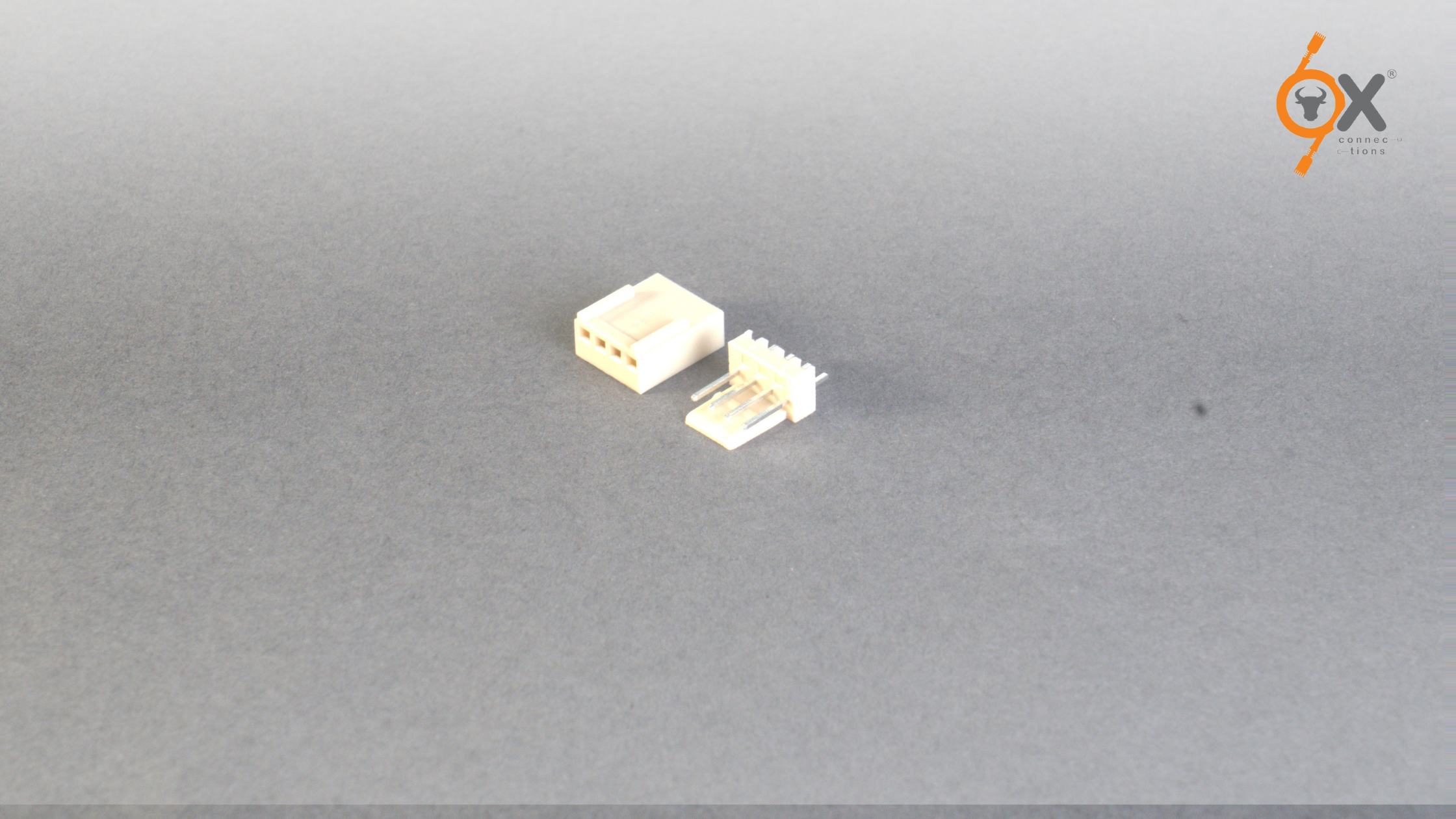
In high-volume electronics manufacturing, choosing the right relimate connector is not just a design decision—it directly impacts production efficiency, quality consistency, and total cost. From pin count and pitch selection to the often-overlooked question of wire harness assembly, many OEMs underestimate how connector decisions affect labor time, defect rates, and production planning. This guide explains how to evaluate relimate connector choices using real manufacturing data, helping procurement and engineering teams make decisions that scale reliably from prototype to volume production.
Relimate Connector Basics: What You’re Actually Choosing
A relimate connector is a compact wire-to-board connector system commonly used where space efficiency and reliability are critical.
Common Applications
- LED lighting (driver-to-strip connections)
- Home appliances (control boards, motors, sensors)
- HVAC systems (thermostats, valve controls)
- Automotive interiors (dashboard, seat electronics)
- Industrial controls (PLC I/O, sensor connections)
Key Features
- Compact footprint (saves PCB space)
- Positive locking mechanism (secure and vibration-resistant)
- High pin density (up to 12 positions)
- Wire-to-board design (PCB header + crimped wire housing)
Current rating: Typically 1–3A per contact (verify datasheet)
Mating cycles: 50+ cycles (quality dependent)
The Two Key Decisions: Pitch and Pin Count
Decision 1: Connector Pitch
2.0mm Pitch
- Smaller, tighter spacing
- Used in compact LED drivers and space-critical designs
- Typical wire range: 26–28 AWG
2.5mm Pitch
- Industry standard (used in ~90% of applications)
- Common in appliances, HVAC, automotive, and industrial equipment
- Typical wire range: 22–26 AWG
Selection Rule:
Always match the pitch to your PCB header. When unsure, 2.5mm is the safest standard choice.
Decision 2: Pin Count Selection
| Pin Count | Typical Application | Common Use Case |
|---|---|---|
| 2-pin | Simple power | LED strips, basic sensors |
| 3-pin | Power + signal | RGB LEDs, fan control |
| 4-pin | Power + data | RGBW lighting, sensors |
| 5–6 pin | Multi-function | Motor controllers |
| 8–10 pin | Complex routing | Displays, control modules |
| 12-pin | High-density I/O | Industrial PLCs |
Selection Rule: Count all power, ground, and signal wires. Add 1–2 extra positions if future expansion is likely.
Component Supply: What OX Stocks
Available Configurations
- Pin counts: 2P, 3P, 4P, 5P, 6P, 8P, 10P, 12P
- Pitch options: 2.0mm and 2.5mm
- Components: housings and crimp contacts
Stock depth: 1,00,000+ pieces
Brands: OX make, Young Yak (imported quality)
Quality Standards
- RoHS compliant
- UL recognized (where applicable)
- Test reports available
Wire Harness Assembly: When Pre-Assembled Makes Sense
In-house crimping appears simple until production scales into hundreds or thousands of connectors.
Hidden Costs of DIY Assembly
- Skilled labor time
- Quality inspection and re-work
- Inconsistent crimp force and insertion depth
- Typical defect rate: 8–15%
Equipment and Overhead
- Proper crimp tooling
- Wire cutting and stripping tools
- Continuity and pull-force testing
- Operator training
OX Wire Harness Solutions
Standard Harness (Ready Stock)
- Common pin counts: 2P, 3P, 4P, 6P
- Standard lengths: 150mm, 200mm, 300mm
- Wire gauges: 22AWG, 24AWG, 26AWG
Custom Harness Options
- Any pin count (2P–12P)
- Custom wire length and gauge
- Color coding options
- 2.0mm or 2.5mm pitch
Quality Assurance
- 100% continuity testing
- Pull-force testing
- Visual inspection
- Test reports available
DIY Components vs Pre-Assembled Harness: Cost Comparison
DIY Assembly Includes
- Component costs
- Labor and inspection time
- Equipment investment
- Training and defect re-work
- Inventory management of multiple SKUs
Pre-Assembled Harness Benefits
- Single part number
- Zero assembly labor
- No equipment investment
- Consistent, tested quality
For volumes above 500 connectors per month, pre-assembled harnesses are often lower total cost.
When to Buy Components vs Pre-Assembled Harness
Buy Components When
- Very low volume
- Prototyping stage
- Existing tooling and trained staff
- Highly variable specifications
Order Pre-Assembled Harness When
- Volume production (100+ per month)
- Fixed specifications
- Quality and reliability are critical
- You want to reduce labor and overhead
Common Relimate Connector Questions
What’s the difference between 2.0mm and 2.5mm pitch?
Pitch is pin spacing. Harness pitch must exactly match the PCB header.
Can I mix brands for housings and contacts?
Not recommended due to dimensional differences.
What wire gauge should I use?
26–28 AWG (<1A), 24 AWG (1–3A), 22 AWG (3–5A).
How to Order Relimate Connectors or Wire Harnesses
Email: technical@oxconnections.com
For components: pin count, pitch, quantity
For harnesses: pin count, pitch, wire length, wire gauge, quantity
Bottom Line
OX Connections supports OEMs with stocked relimate connector components and fully tested pre-assembled wire harnesses, helping manufacturers reduce labor, defects, and production bottlenecks from prototype to full-scale production.